(b.1990,KADIKOY) IS A BERLIN–BASED DESIGNER WORKING ACROSS COLLECTIBLE FURNITURE AND ART OBJECTS. HIS WORK DISSOLVES THE BOUNDARY BETWEEN FUNCTIONAL OBJECTS AND CONTEMPORARY SCULPTURE, CREATING A DIALOGUE BETWEEN SCULPTURE, ART, AND SPATIAL INTERVENTION.
![Obelisk [Object]](data:image/svg+xml;base64,PHN2ZyB4bWxucz0iaHR0cDovL3d3dy53My5vcmcvMjAwMC9zdmciIHg9IjAiIHk9IjAiIHZpZXdCb3g9IjAgMCAyOTE1IDIxNTkiIHdpZHRoPSIyOTE1IiBoZWlnaHQ9IjIxNTkiIHByZXNlcnZlQXNwZWN0UmF0aW89Im5vbmUiPjxyZWN0IGZpbGw9IiM4ZjhmOTIiIHdpZHRoPSIxMDAlIiBoZWlnaHQ9IjEwMCUiLz48L3N2Zz4%3D)
Obelisk [Object]
![Ziggurat [Object]](data:image/svg+xml;base64,PHN2ZyB4bWxucz0iaHR0cDovL3d3dy53My5vcmcvMjAwMC9zdmciIHg9IjAiIHk9IjAiIHZpZXdCb3g9IjAgMCAxNDM4IDIxNjAiIHdpZHRoPSIxNDM4IiBoZWlnaHQ9IjIxNjAiIHByZXNlcnZlQXNwZWN0UmF0aW89Im5vbmUiPjxyZWN0IGZpbGw9IiM3NzcyNzQiIHdpZHRoPSIxMDAlIiBoZWlnaHQ9IjEwMCUiLz48L3N2Zz4%3D)
Ziggurat [Object]
![PIER [Ed. 01. Object]](data:image/svg+xml;base64,PHN2ZyB4bWxucz0iaHR0cDovL3d3dy53My5vcmcvMjAwMC9zdmciIHg9IjAiIHk9IjAiIHZpZXdCb3g9IjAgMCAzODQwIDE4NDAiIHdpZHRoPSIzODQwIiBoZWlnaHQ9IjE4NDAiIHByZXNlcnZlQXNwZWN0UmF0aW89Im5vbmUiPjxyZWN0IGZpbGw9IiNjM2NhY2YiIHdpZHRoPSIxMDAlIiBoZWlnaHQ9IjEwMCUiLz48L3N2Zz4%3D)
PIER
[Ed. 01. Object]![PIER [Ed. 02. Object]](data:image/svg+xml;base64,PHN2ZyB4bWxucz0iaHR0cDovL3d3dy53My5vcmcvMjAwMC9zdmciIHg9IjAiIHk9IjAiIHZpZXdCb3g9IjAgMCAzMTgyIDIxNTkiIHdpZHRoPSIzMTgyIiBoZWlnaHQ9IjIxNTkiIHByZXNlcnZlQXNwZWN0UmF0aW89Im5vbmUiPjxyZWN0IGZpbGw9IiNjMmMzYzQiIHdpZHRoPSIxMDAlIiBoZWlnaHQ9IjEwMCUiLz48L3N2Zz4%3D)
PIER
[Ed. 02. Object]![Mono [Object]](data:image/svg+xml;base64,PHN2ZyB4bWxucz0iaHR0cDovL3d3dy53My5vcmcvMjAwMC9zdmciIHg9IjAiIHk9IjAiIHZpZXdCb3g9IjAgMCAzNDAyIDIxNjAiIHdpZHRoPSIzNDAyIiBoZWlnaHQ9IjIxNjAiIHByZXNlcnZlQXNwZWN0UmF0aW89Im5vbmUiPjxyZWN0IGZpbGw9IiNjYmNiY2EiIHdpZHRoPSIxMDAlIiBoZWlnaHQ9IjEwMCUiLz48L3N2Zz4%3D)
Mono [Object]
![PIER [Ed. 03. Object]](data:image/svg+xml;base64,PHN2ZyB4bWxucz0iaHR0cDovL3d3dy53My5vcmcvMjAwMC9zdmciIHg9IjAiIHk9IjAiIHZpZXdCb3g9IjAgMCAzNTc5IDIxNjAiIHdpZHRoPSIzNTc5IiBoZWlnaHQ9IjIxNjAiIHByZXNlcnZlQXNwZWN0UmF0aW89Im5vbmUiPjxyZWN0IGZpbGw9IiNjZGNkZDEiIHdpZHRoPSIxMDAlIiBoZWlnaHQ9IjEwMCUiLz48L3N2Zz4%3D)
PIER
[Ed. 03. Object]![Maquette [Object]](assets/images/gallery01/5b8fdb78.jpg?v=a231d7e6)
Maquette
[Object]![Between [Furniture]](data:image/svg+xml;base64,PHN2ZyB4bWxucz0iaHR0cDovL3d3dy53My5vcmcvMjAwMC9zdmciIHg9IjAiIHk9IjAiIHZpZXdCb3g9IjAgMCAyNTI4IDE2ODQiIHdpZHRoPSIyNTI4IiBoZWlnaHQ9IjE2ODQiIHByZXNlcnZlQXNwZWN0UmF0aW89Im5vbmUiPjxyZWN0IGZpbGw9IiM5MDhlOGMiIHdpZHRoPSIxMDAlIiBoZWlnaHQ9IjEwMCUiLz48L3N2Zz4%3D)
Between
[Furniture]
![Obelisk [Object]](assets/images/gallery01/803f74ba.jpg?v=a231d7e6)
![Ziggurat [Object]](assets/images/gallery01/7959f27d.jpg?v=a231d7e6)
![PIER [Ed. 01. Object]](assets/images/gallery01/39bc3169.jpg?v=a231d7e6)
![PIER [Ed. 02. Object]](assets/images/gallery01/2cefefbf.jpg?v=a231d7e6)
![Mono [Object]](assets/images/gallery01/2d6d0b33.jpg?v=a231d7e6)
![PIER [Ed. 03. Object]](assets/images/gallery01/cdcd8fa9.jpg?v=a231d7e6)
![Between [Furniture]](assets/images/gallery01/eb5da384.jpg?v=a231d7e6)
↑CURRENT PRACTICE.
↓SELECTED COMMERCIAL / INDUSTRIAL WORK. [2015-25]
![Else [Furniture]](data:image/svg+xml;base64,PHN2ZyB4bWxucz0iaHR0cDovL3d3dy53My5vcmcvMjAwMC9zdmciIHg9IjAiIHk9IjAiIHZpZXdCb3g9IjAgMCAyNTY1IDE1OTkiIHdpZHRoPSIyNTY1IiBoZWlnaHQ9IjE1OTkiIHByZXNlcnZlQXNwZWN0UmF0aW89Im5vbmUiPjxyZWN0IGZpbGw9IiM3YTdhNzgiIHdpZHRoPSIxMDAlIiBoZWlnaHQ9IjEwMCUiLz48L3N2Zz4%3D)
Else
[Furniture]![402 [Furniture]](assets/images/gallery02/d9375ef1.jpg?v=a231d7e6)
402
[Furniture]![h1 [Furniture]](assets/images/gallery02/f67e21b5.jpg?v=a231d7e6)
h1
[Furniture]![312 [Furniture]](data:image/svg+xml;base64,PHN2ZyB4bWxucz0iaHR0cDovL3d3dy53My5vcmcvMjAwMC9zdmciIHg9IjAiIHk9IjAiIHZpZXdCb3g9IjAgMCAzMTA0IDIxNTkiIHdpZHRoPSIzMTA0IiBoZWlnaHQ9IjIxNTkiIHByZXNlcnZlQXNwZWN0UmF0aW89Im5vbmUiPjxyZWN0IGZpbGw9IiM3OTc5NzkiIHdpZHRoPSIxMDAlIiBoZWlnaHQ9IjEwMCUiLz48L3N2Zz4%3D)
312
[Furniture]
![Else [Furniture]](assets/images/gallery02/69619ffb.jpg?v=a231d7e6)
![312 [Furniture]](assets/images/gallery02/cdeb2575.jpg?v=a231d7e6)
SELECTED PRESSFeatured across contemporary design and architecture platforms focusing on collectible furniture and spatial design.Maison Française
Marie Claire Maison
House Beautiful
Home Art
ELLE Decor
Mekan
Home InStyle
Yanko DesignAWARDS & RECOGNITIONRed Dot Award. Recognized for excellence in industrial and product design innovation. [team award]A’ Design Award. Recognized for exceptional form, concept, and functional design execution.EXHIBITIONS & COLLECTIONSSelect Independent Editions: Includes flagship works such as Obelisk and Ziggurat.
Private and institutional collections & commissions sacross Europe.
London Design Fair 2018
Salone del Mobile 2015 [group]STATEMENT OF PRACTICEOperating at the intersection of contemporary furniture, brutalist sculpture, and spatial art, Aleks Baser’s independent practice treats functional objects as a strict dialogue between mass, line, and architectural intervention. His work dissolves the boundary between utility and fine art, exploring monumental form and material honesty through limited-edition collectible design.Graduating in industrial design (Domus Academy) and interior design (Marconi University), he moves between artifact, structure, and environment. Early in his career, he worked at international design studios in Milan, including frog design, contributing to award–winning projects recognized by the Red Dot Award and A’ Design Award.Today, his independent practice dissolves the boundary between functional objects and contemporary sculpture. Treating furniture as a commanding spatial intervention, his work creates a strict dialogue between utility and art.PROFESSIONAL EXPERIENCEIndependent Designer & Maker | Berlin / Istanbul [2022—]
Limited-edition sculptural furniture, spatial totems, and functional objects.
Developing and executing independent collections characterized by monolithic mass, ebonized wood, and composite spatial volumes.Industrial and Interior designer | International Design Studios | Milan, Istanbul, Berlin [2015—2023]
For collaborations, commissions, and inquiries:
[email protected]
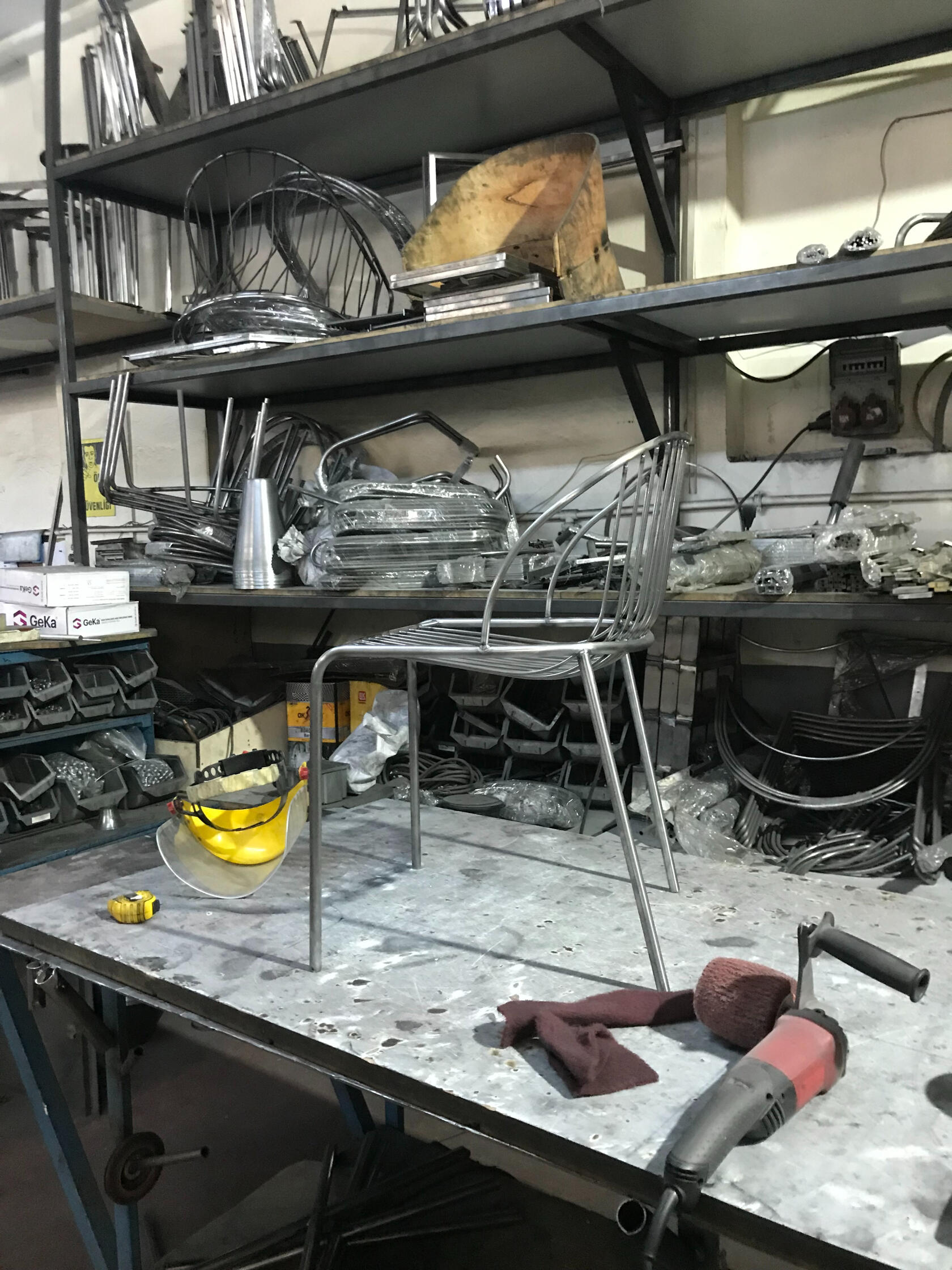
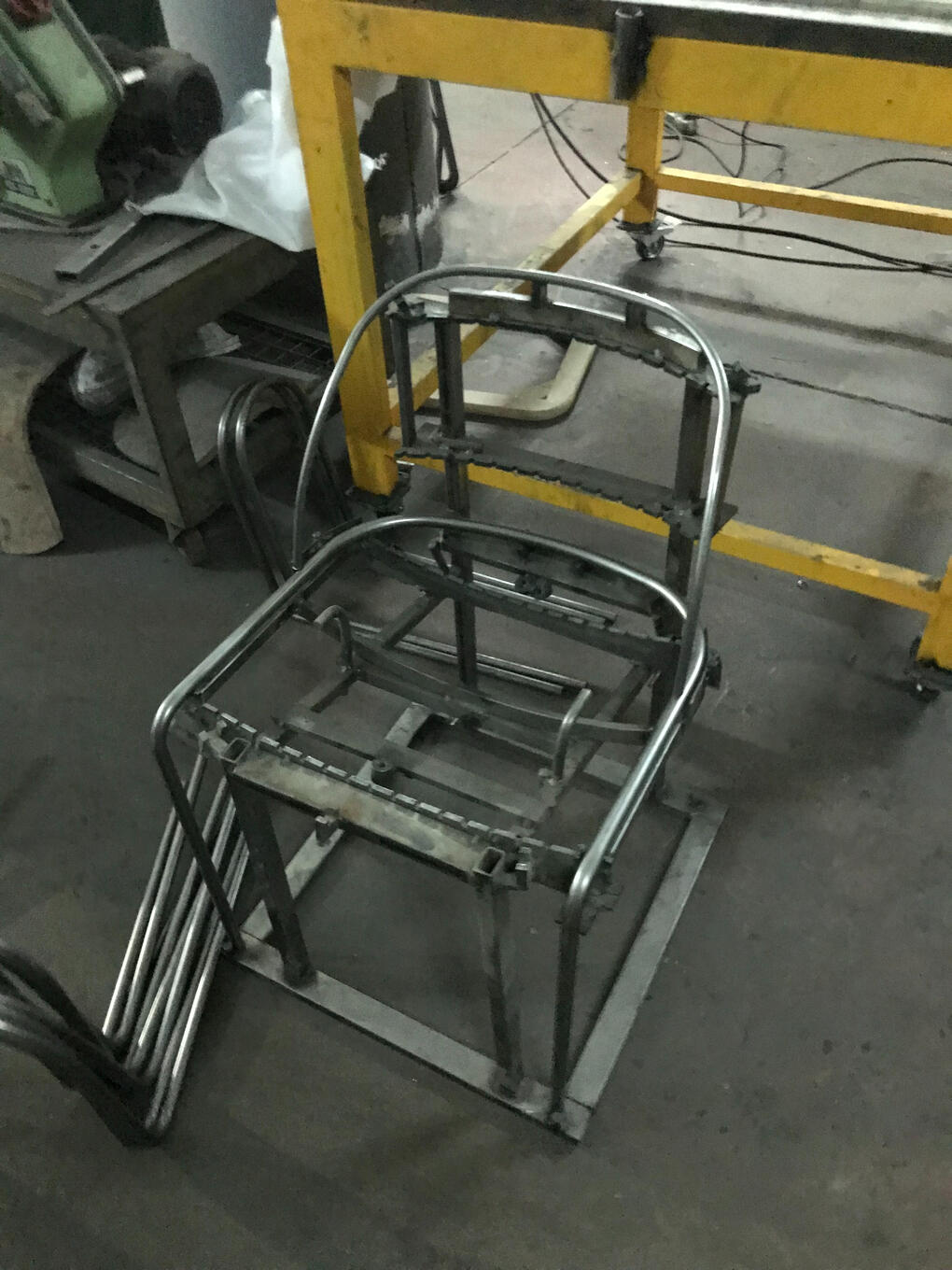
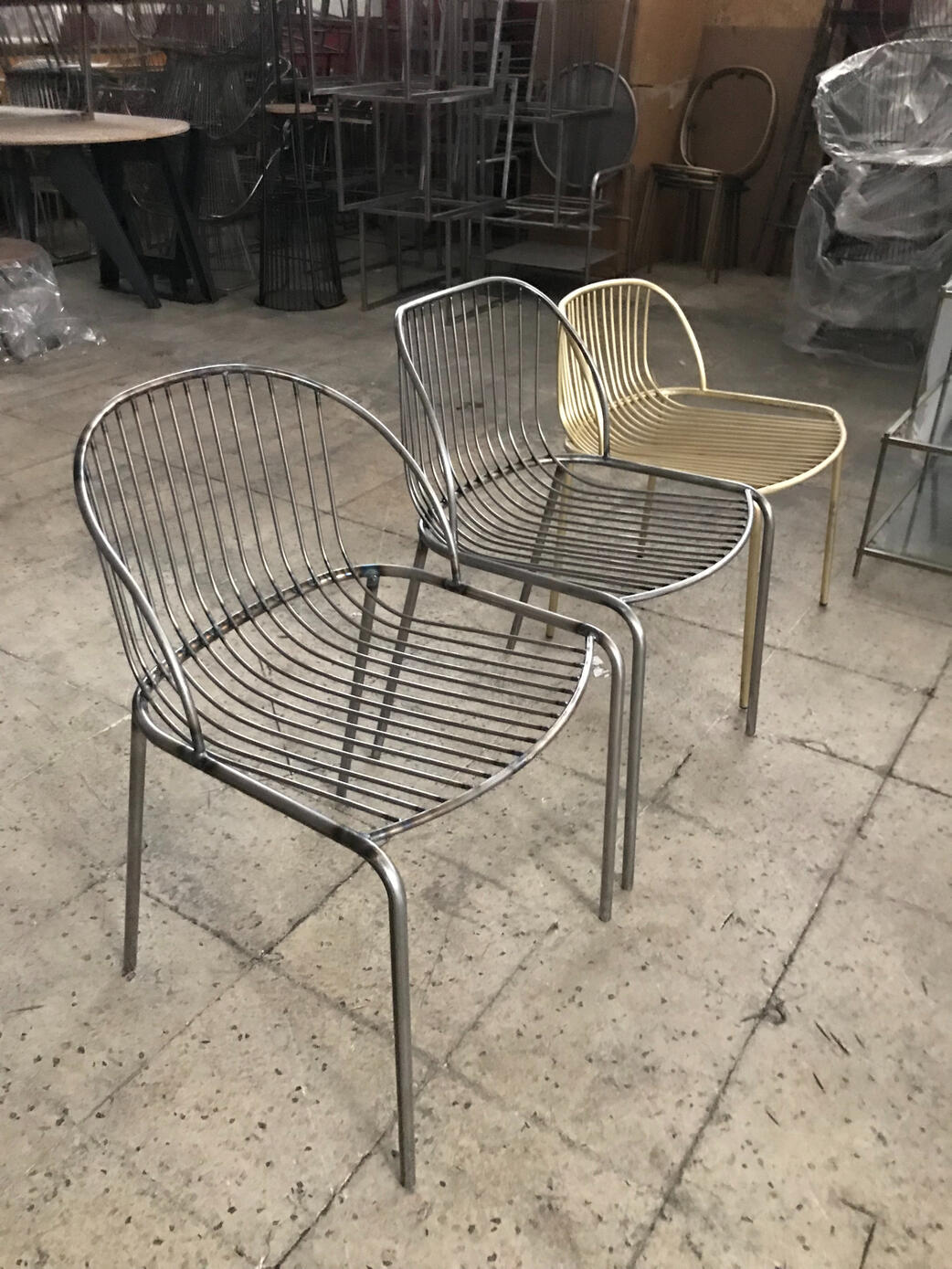
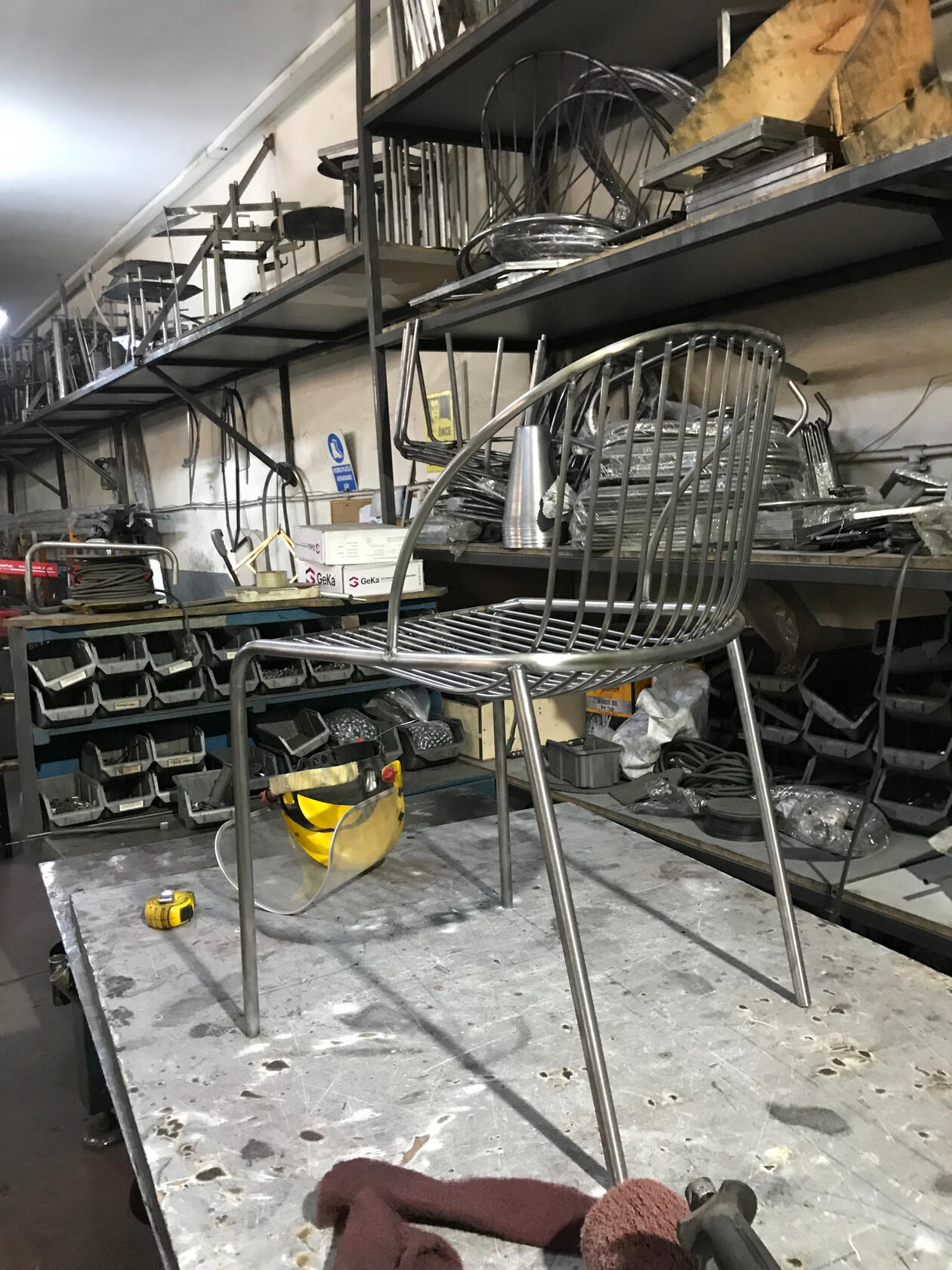
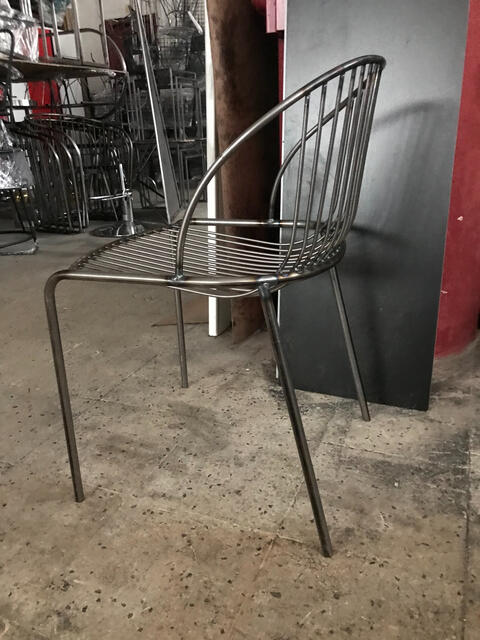
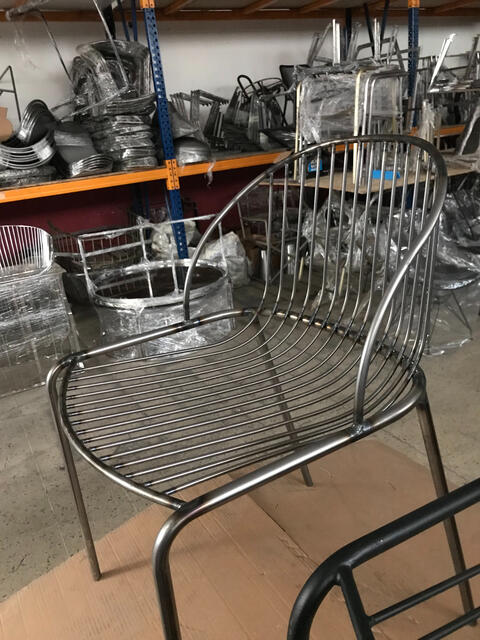
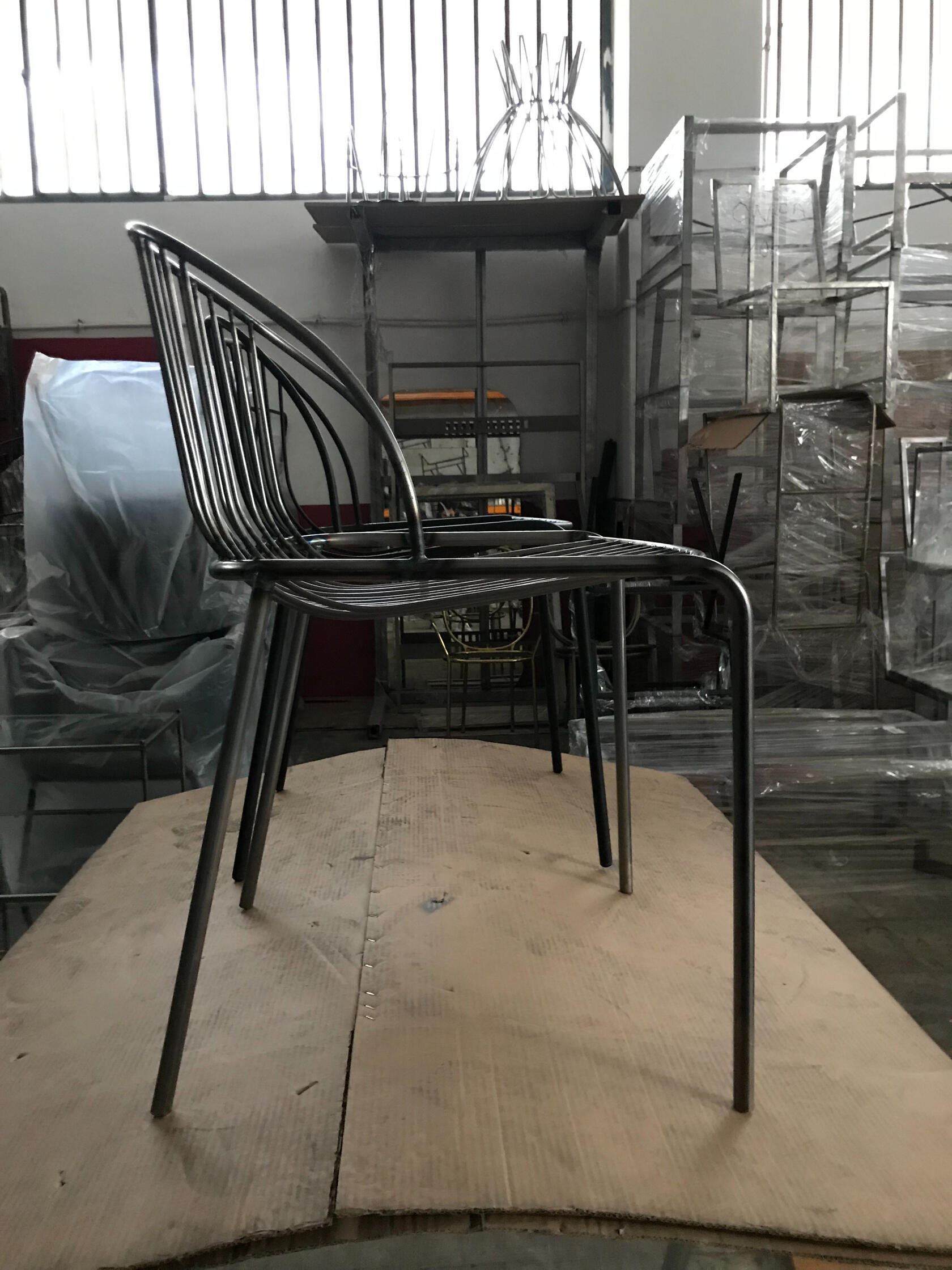
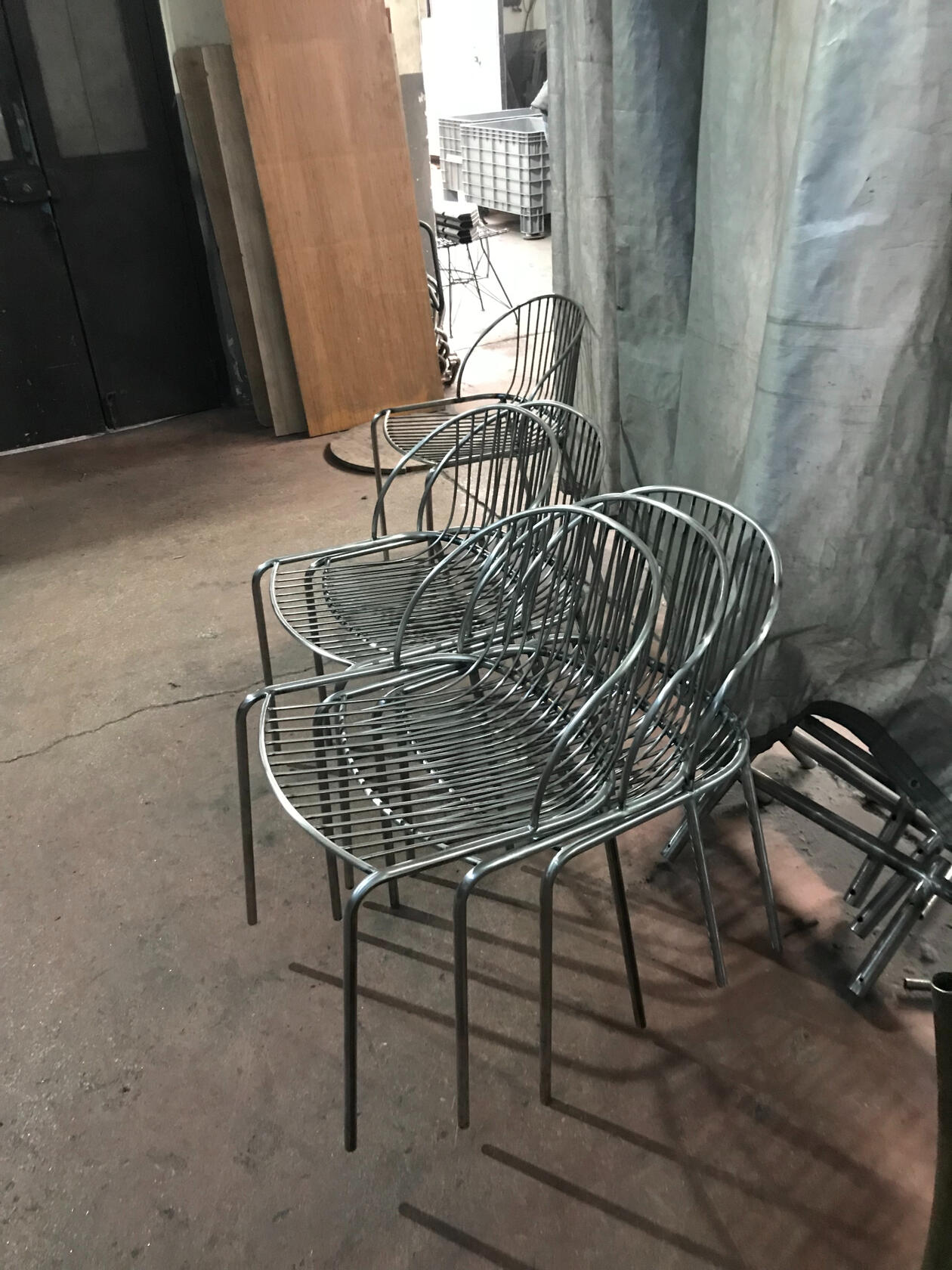
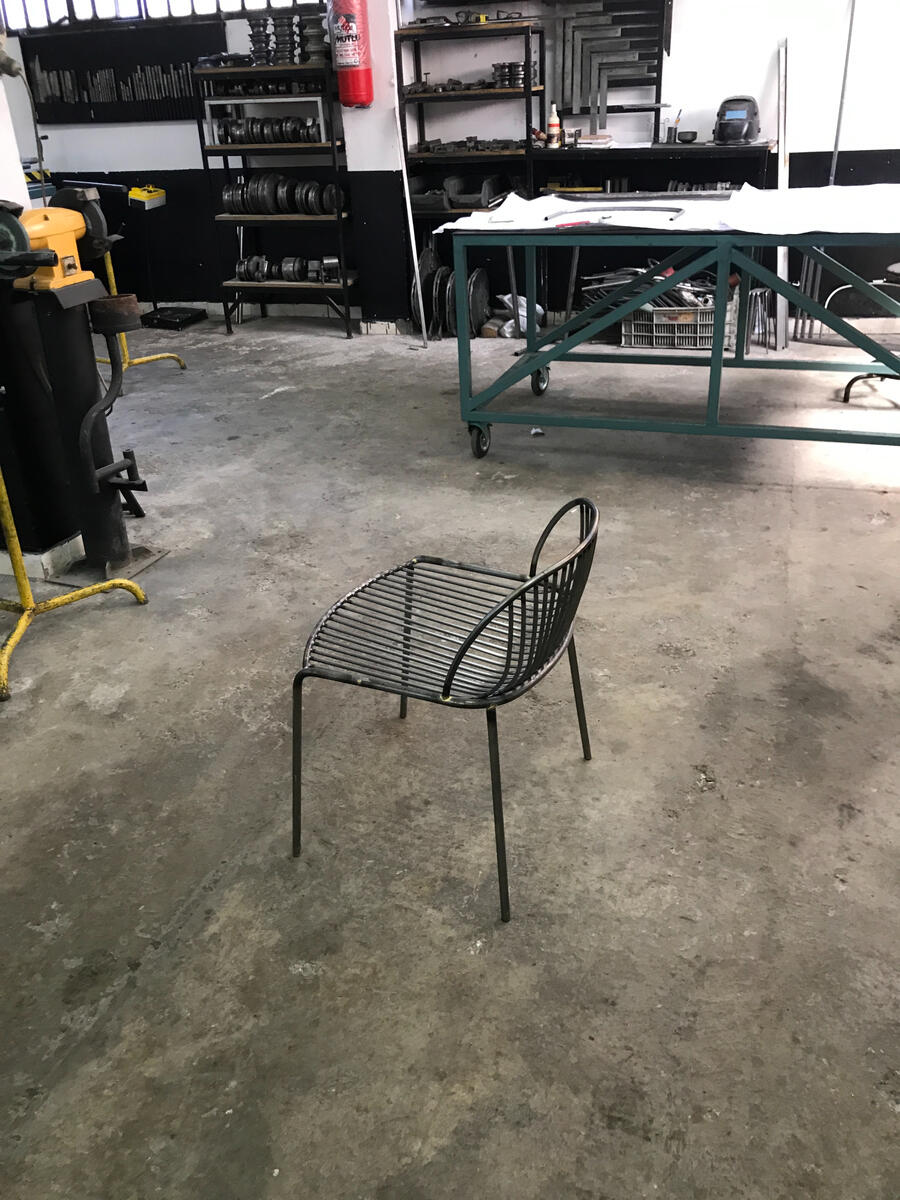
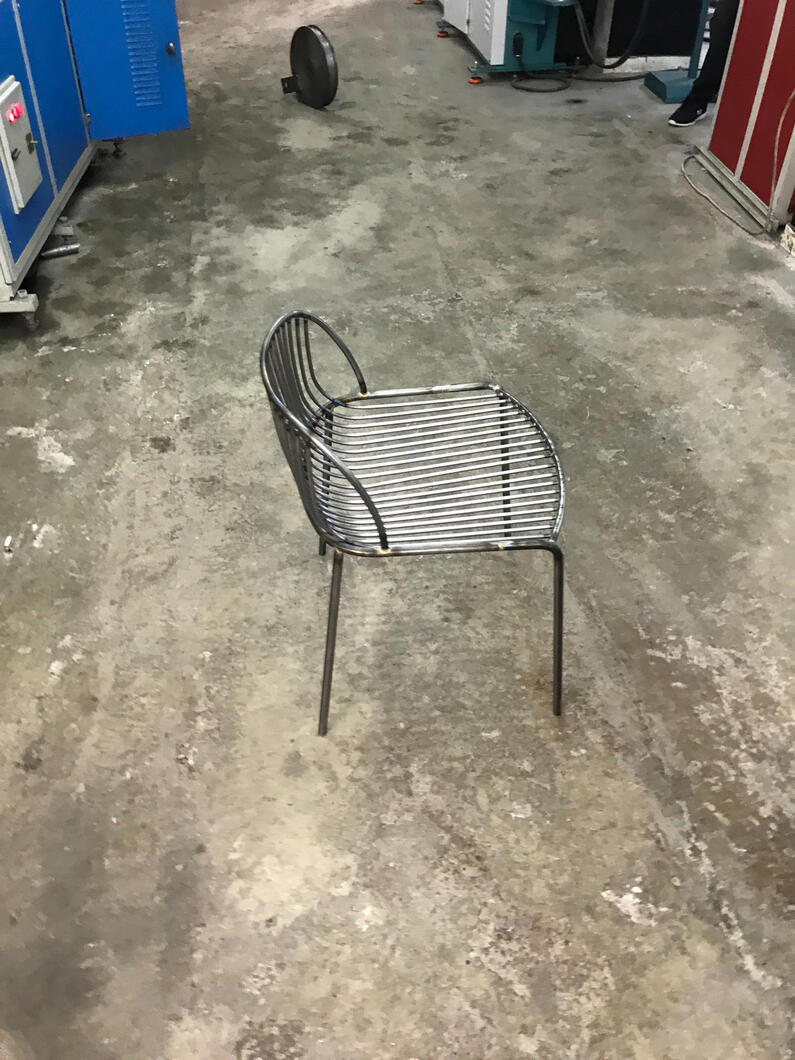
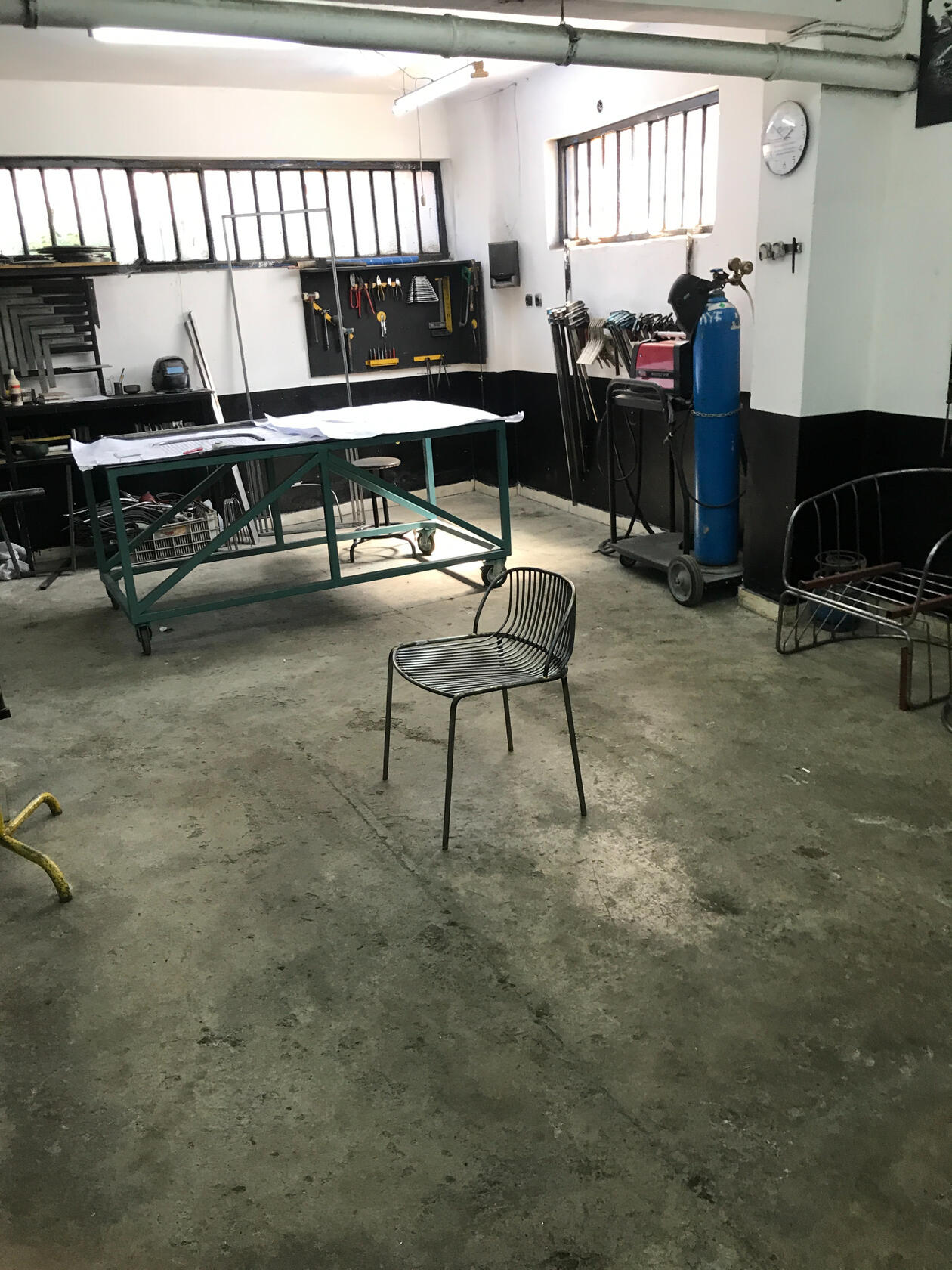
402 [Furniture]CLIENT
Studio MIISTDIMENSIONS
45 x 50 x 75 cmMATERIAL
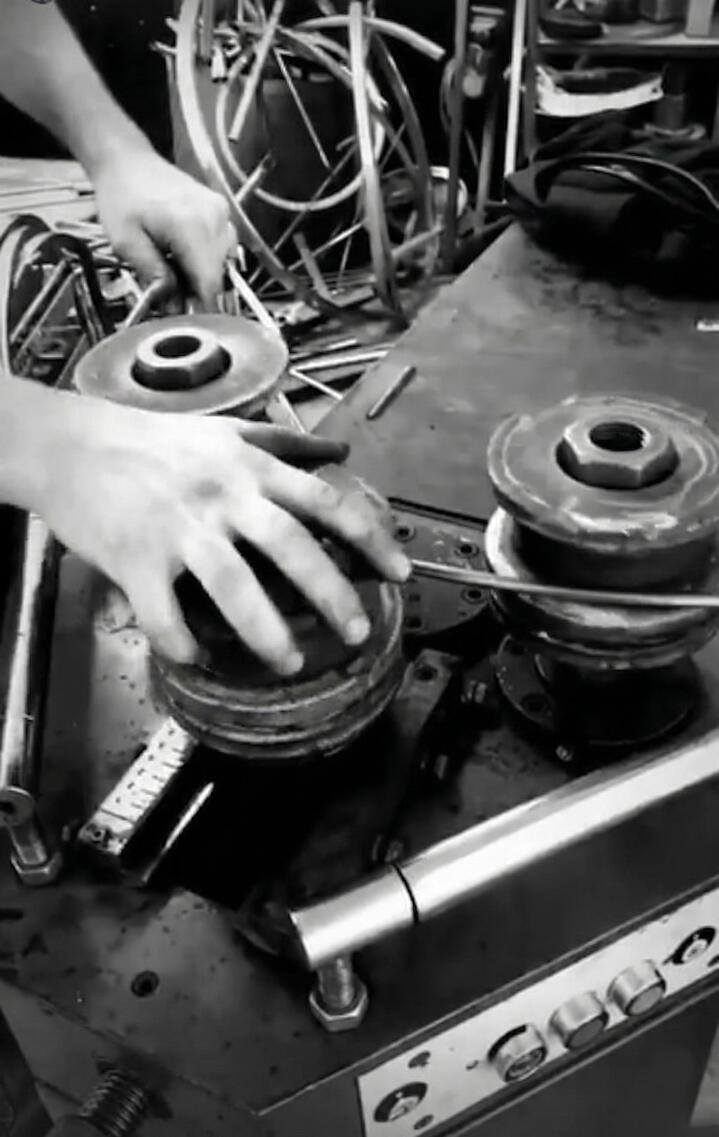
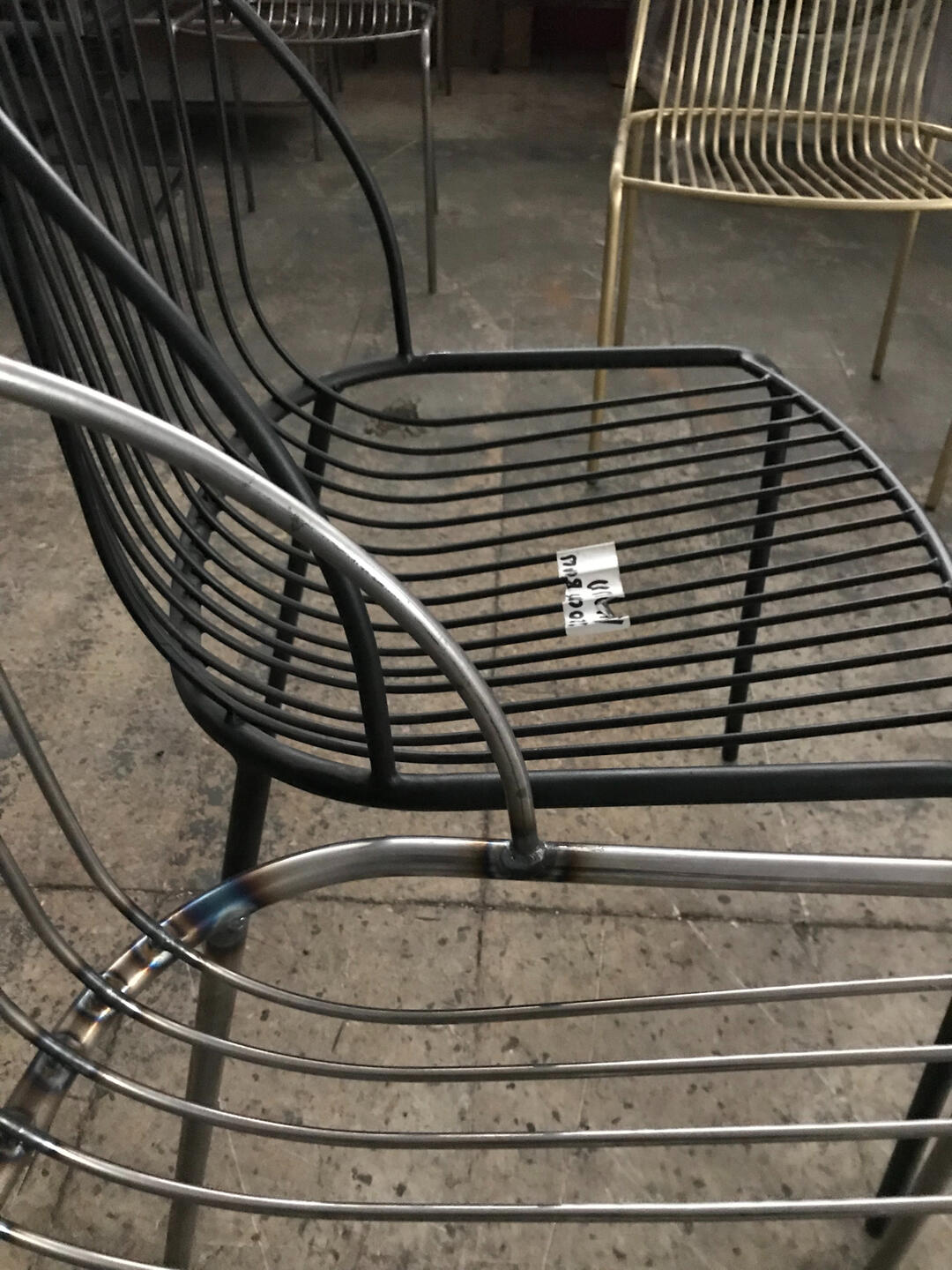
Steel, Powder CoatingA study in rhythm, cold steel forming and perception.
Parallel rods generate moiré patterns that shift between solid and ephemeral.The seat is shaped through a custom mold, introducing subtle, suspended ergonomics.Each wire is individually welded, leaving a visible record of heat and labor.
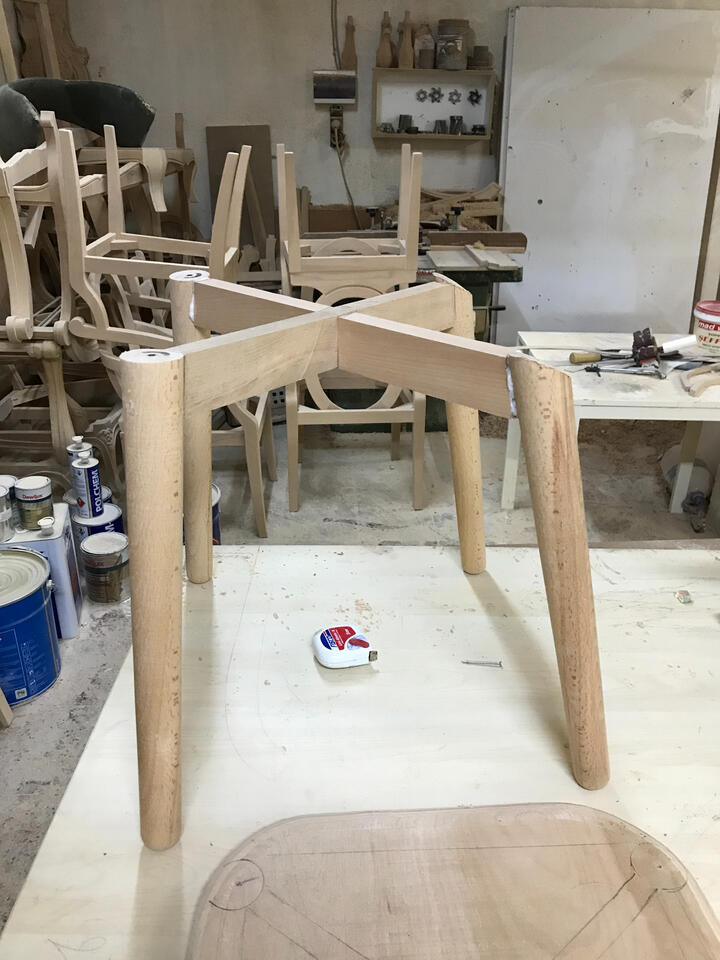
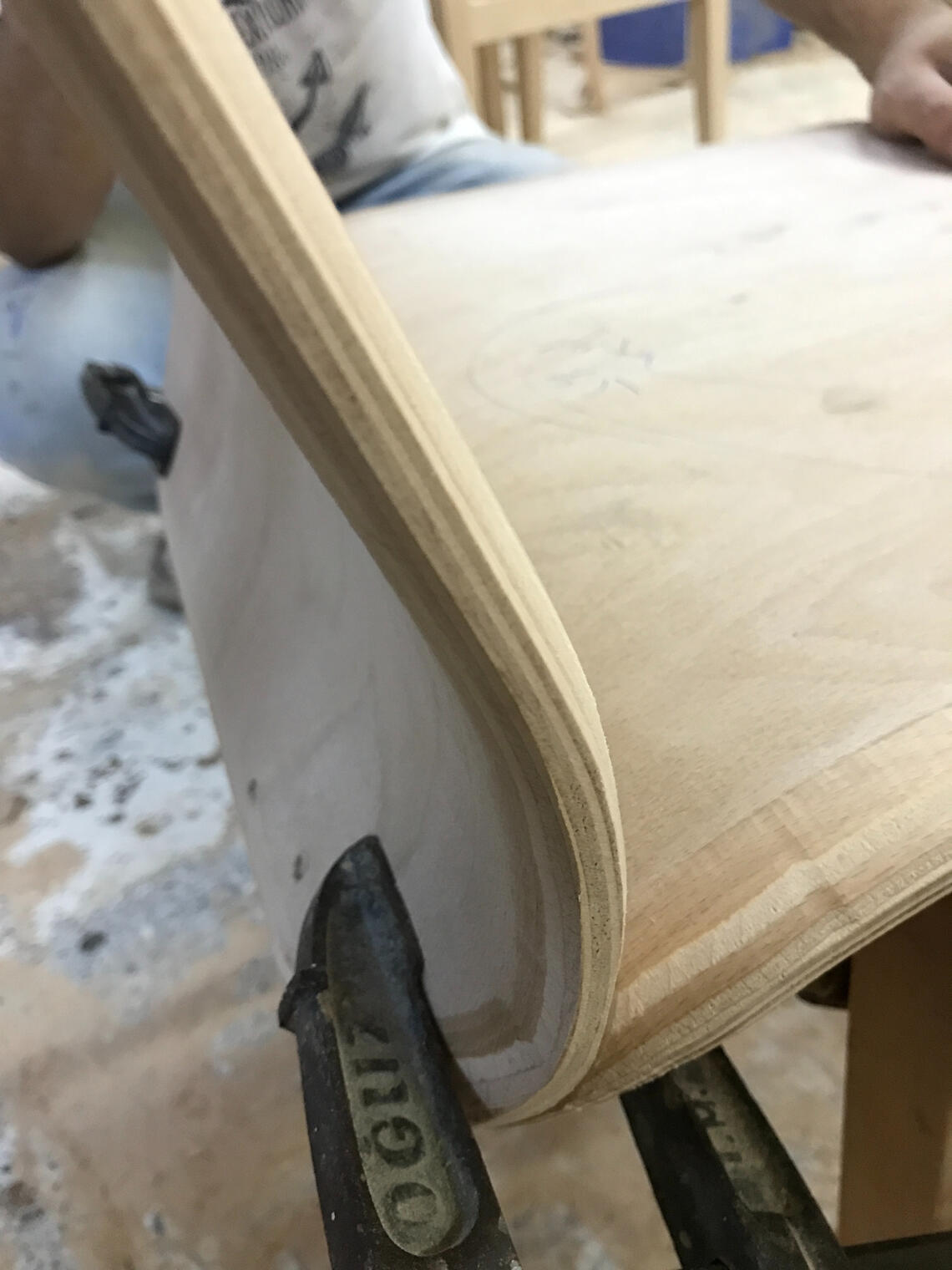
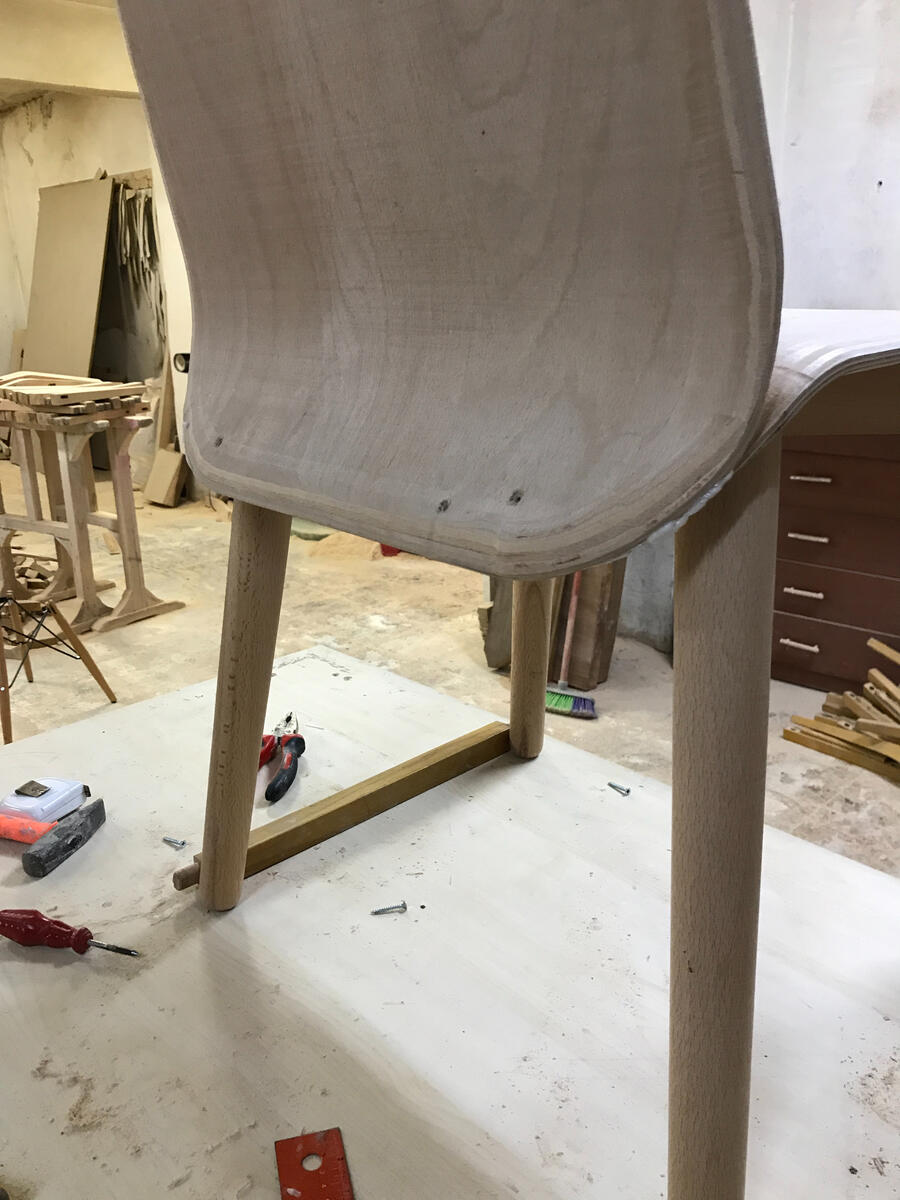
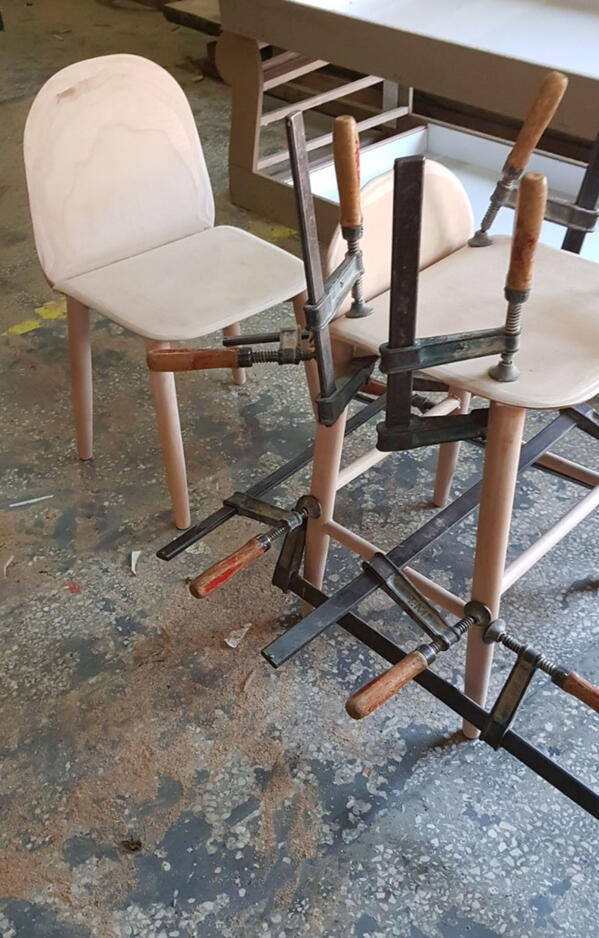
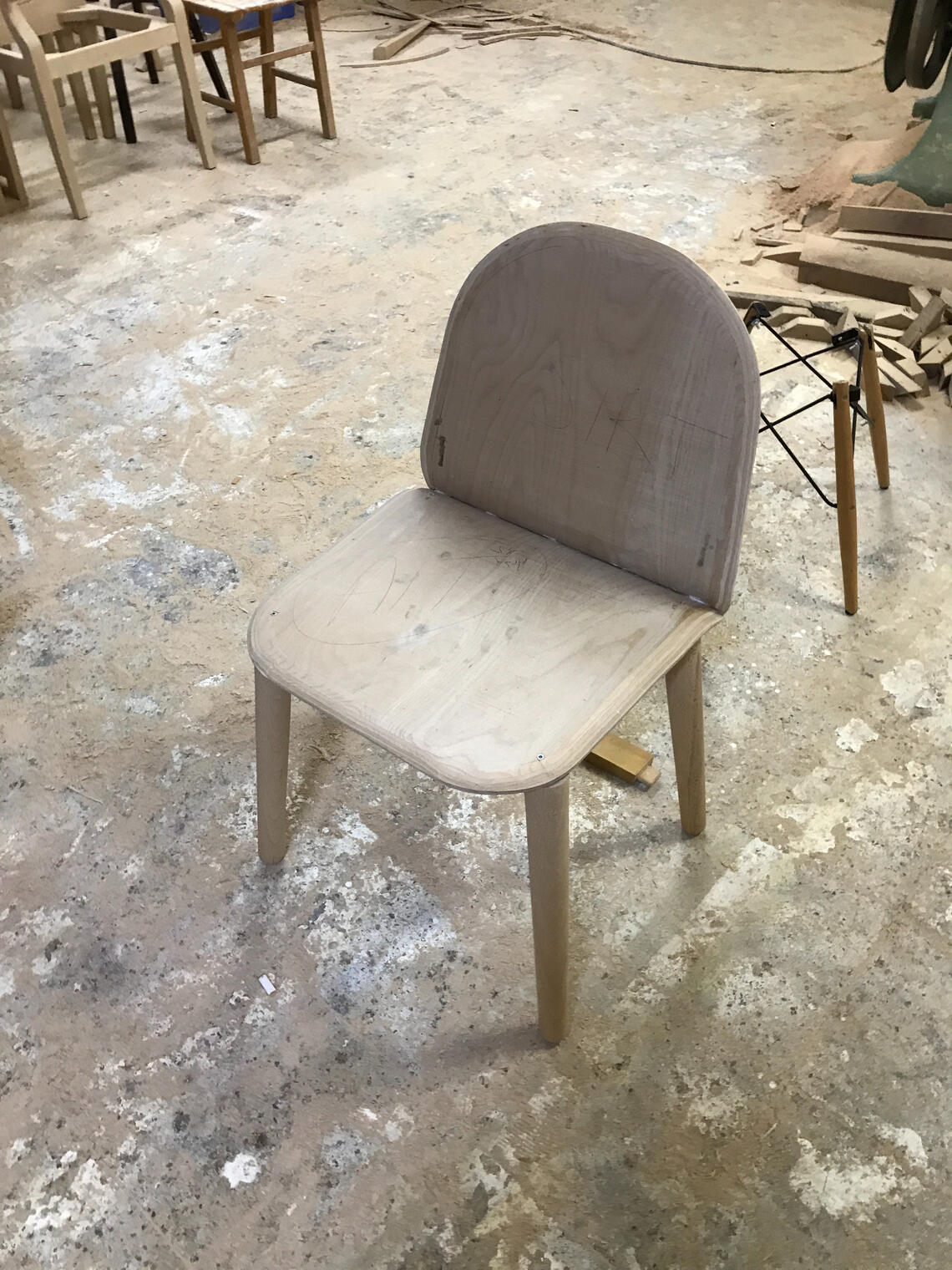
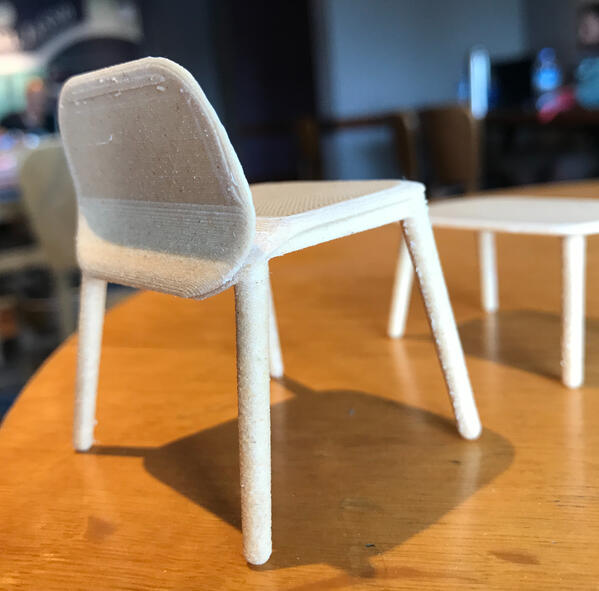
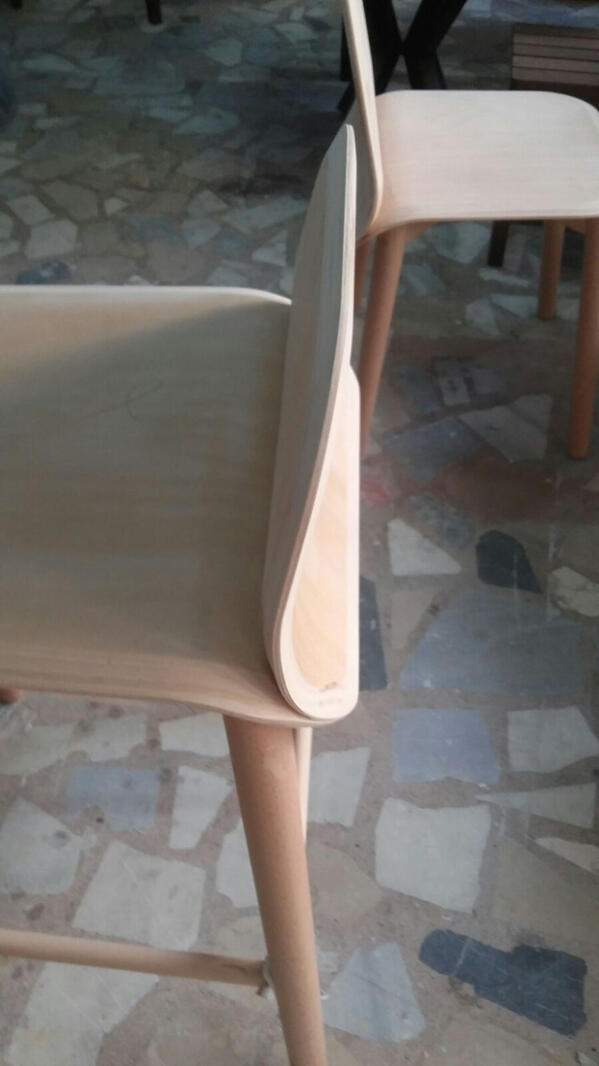
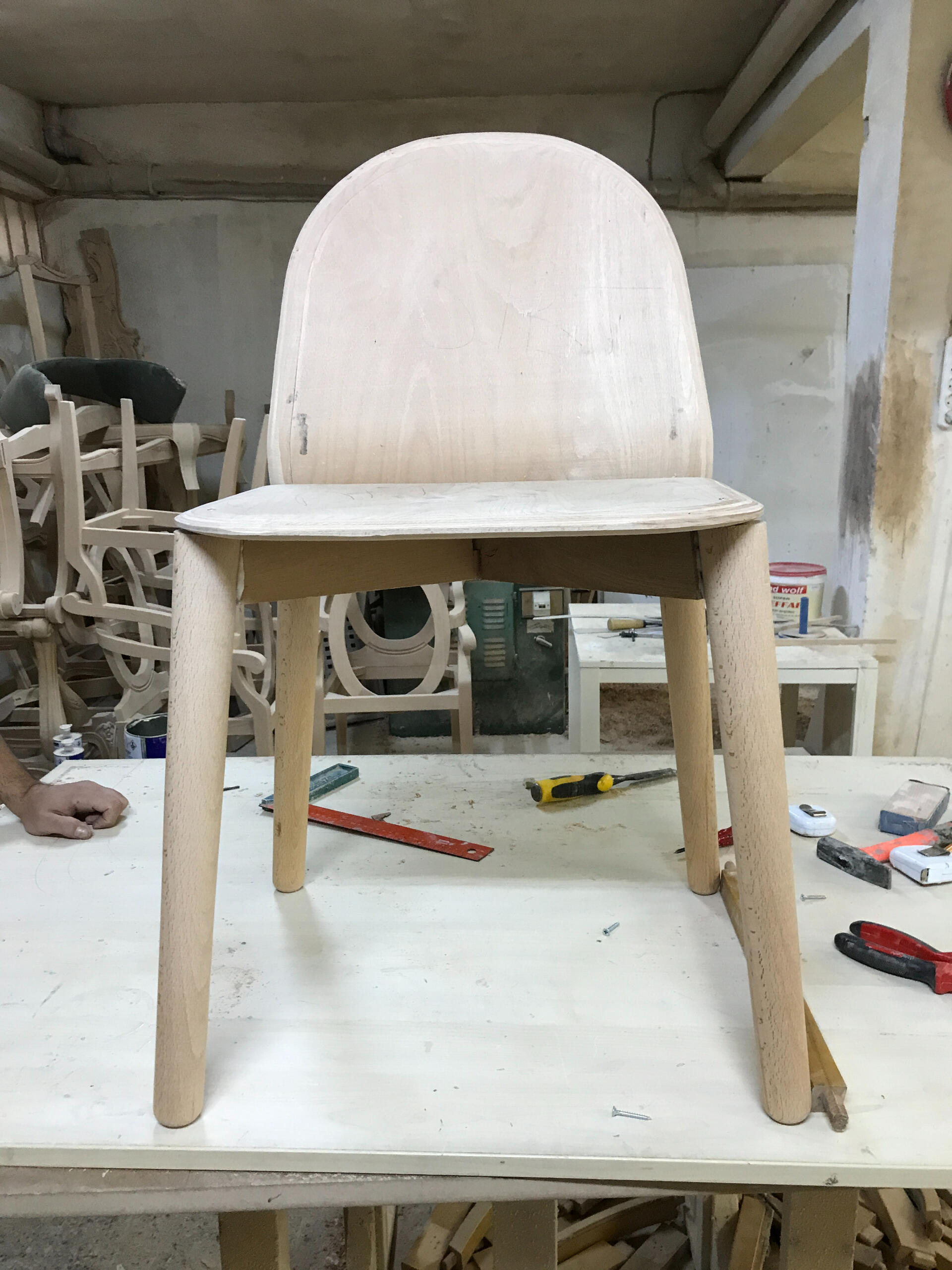
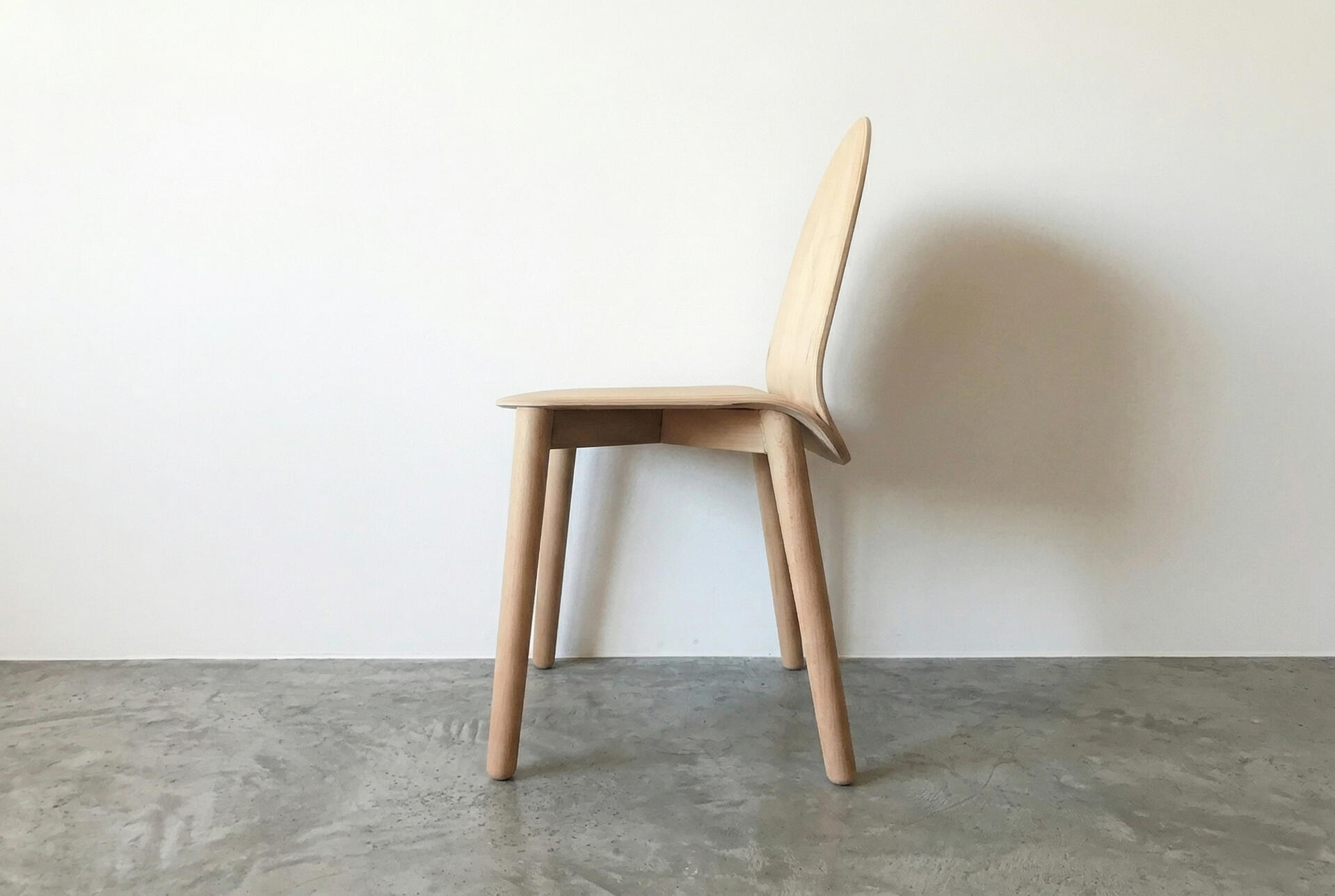
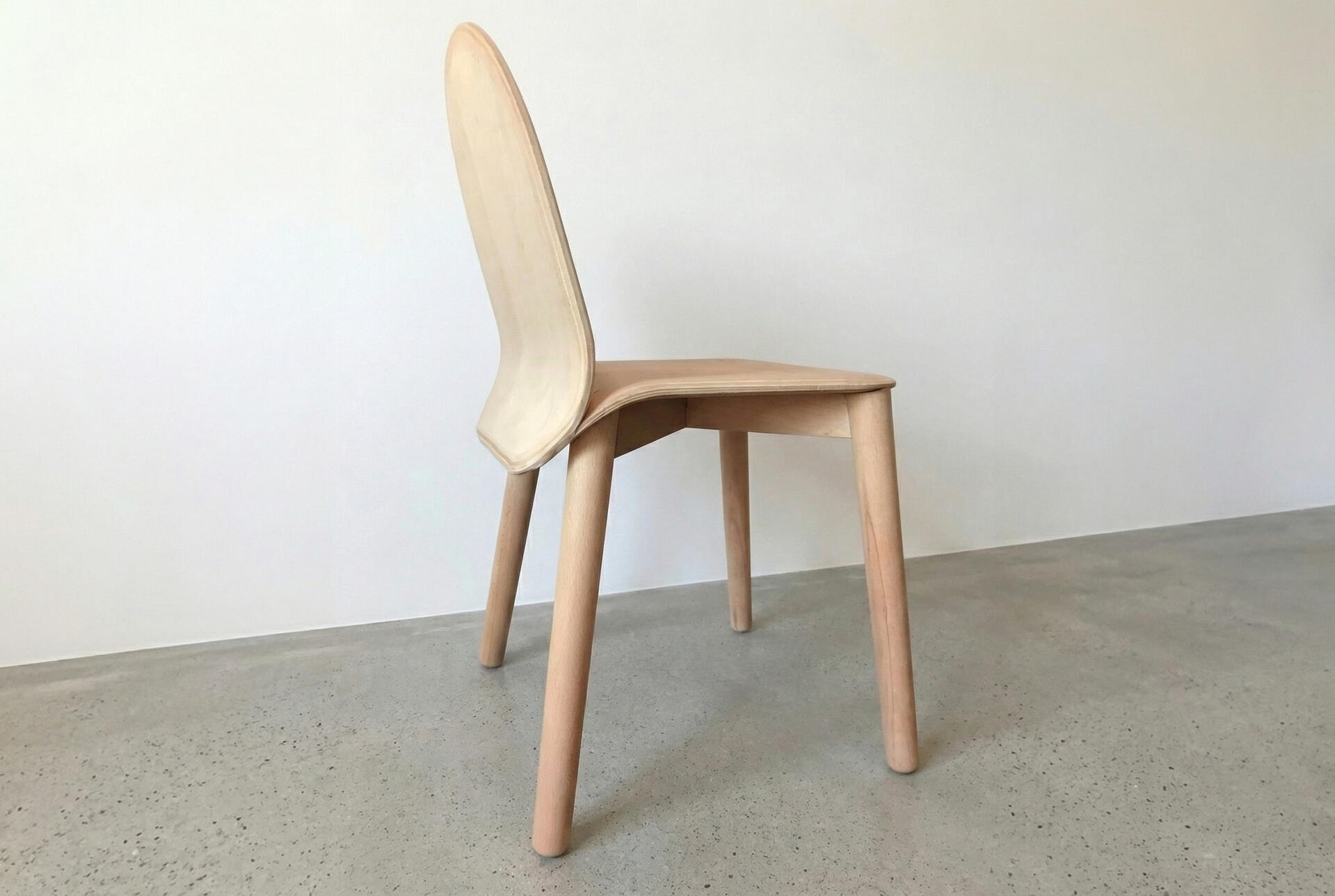
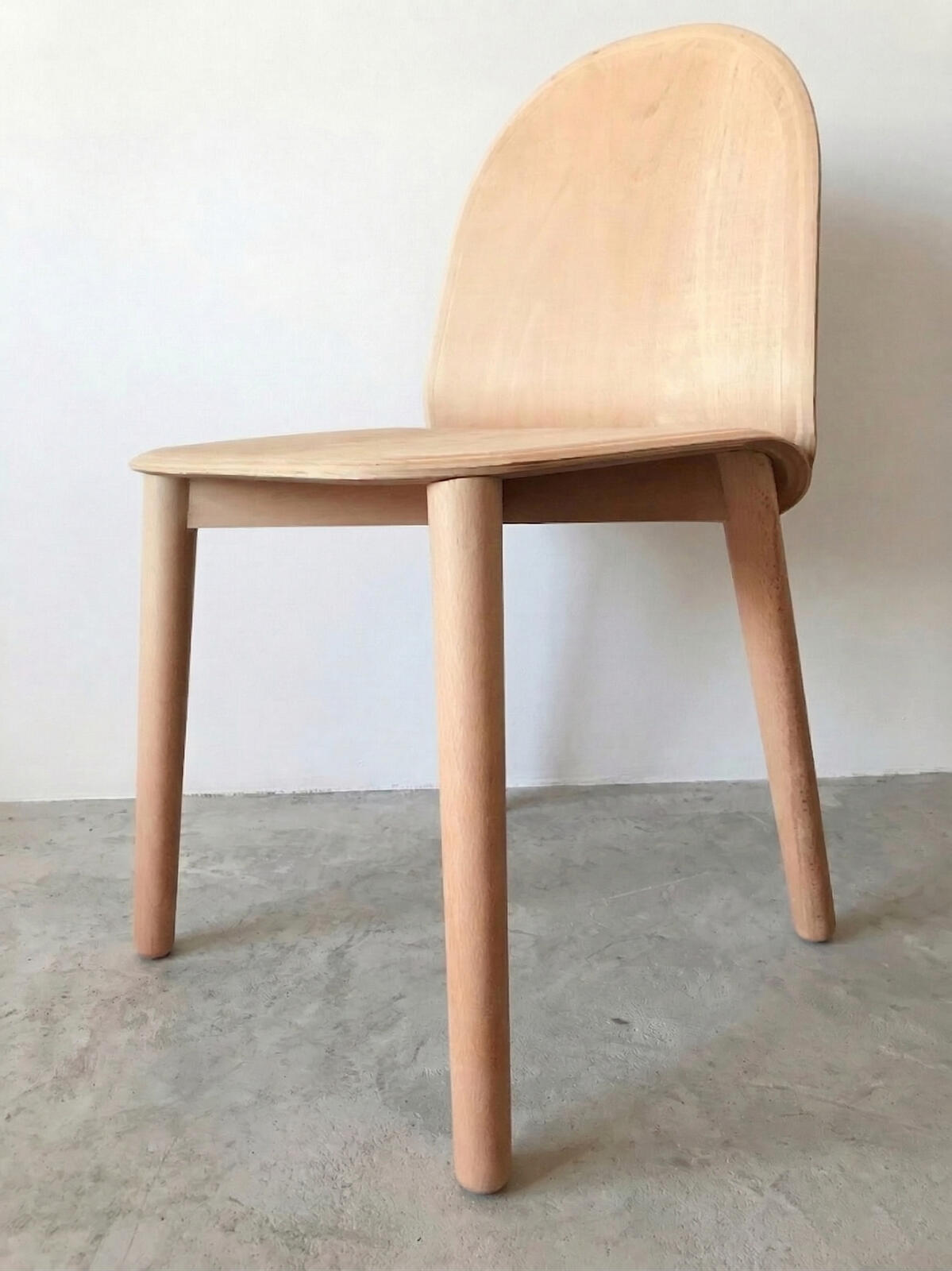
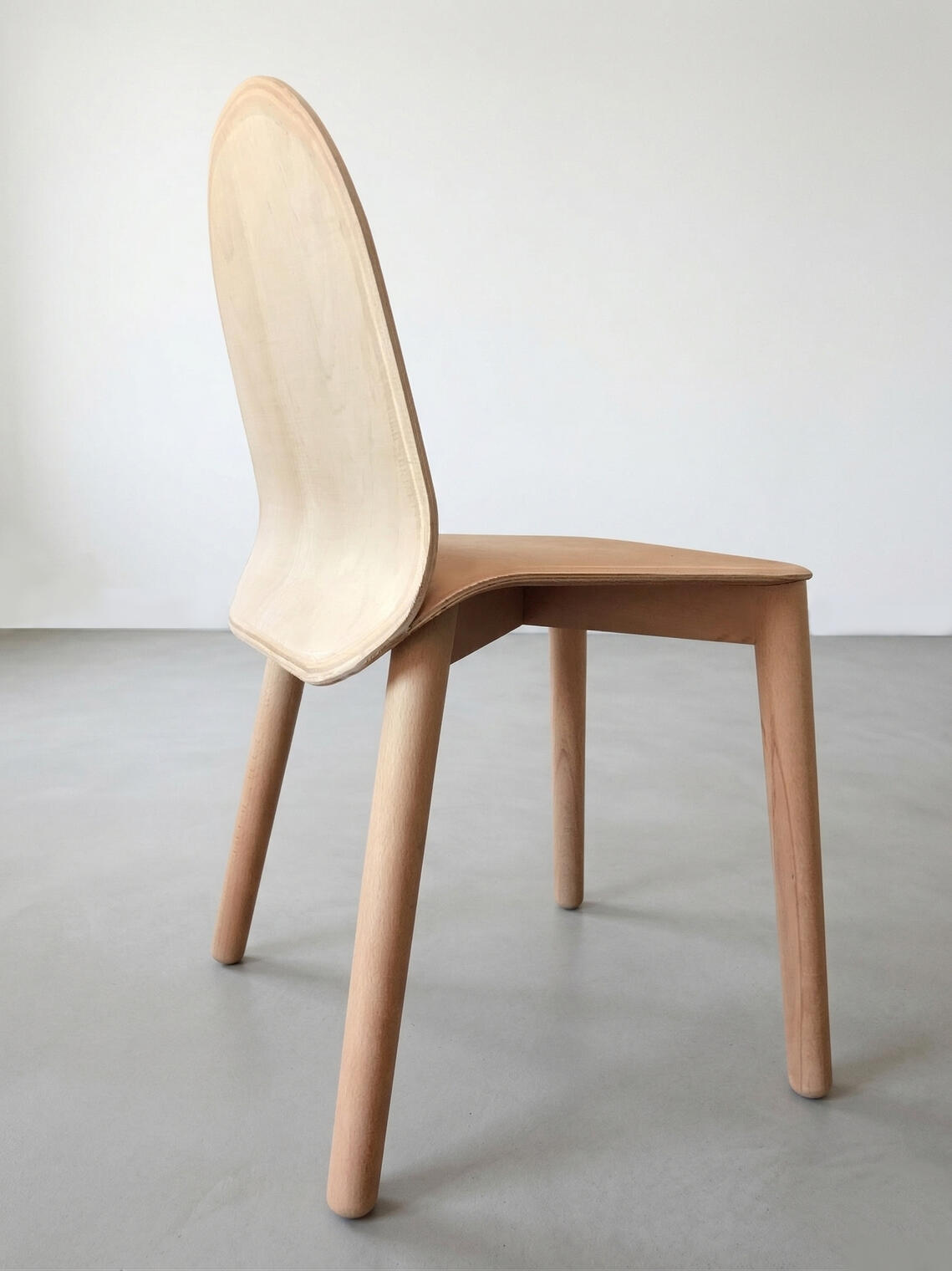
312 [Furniture]CLIENT
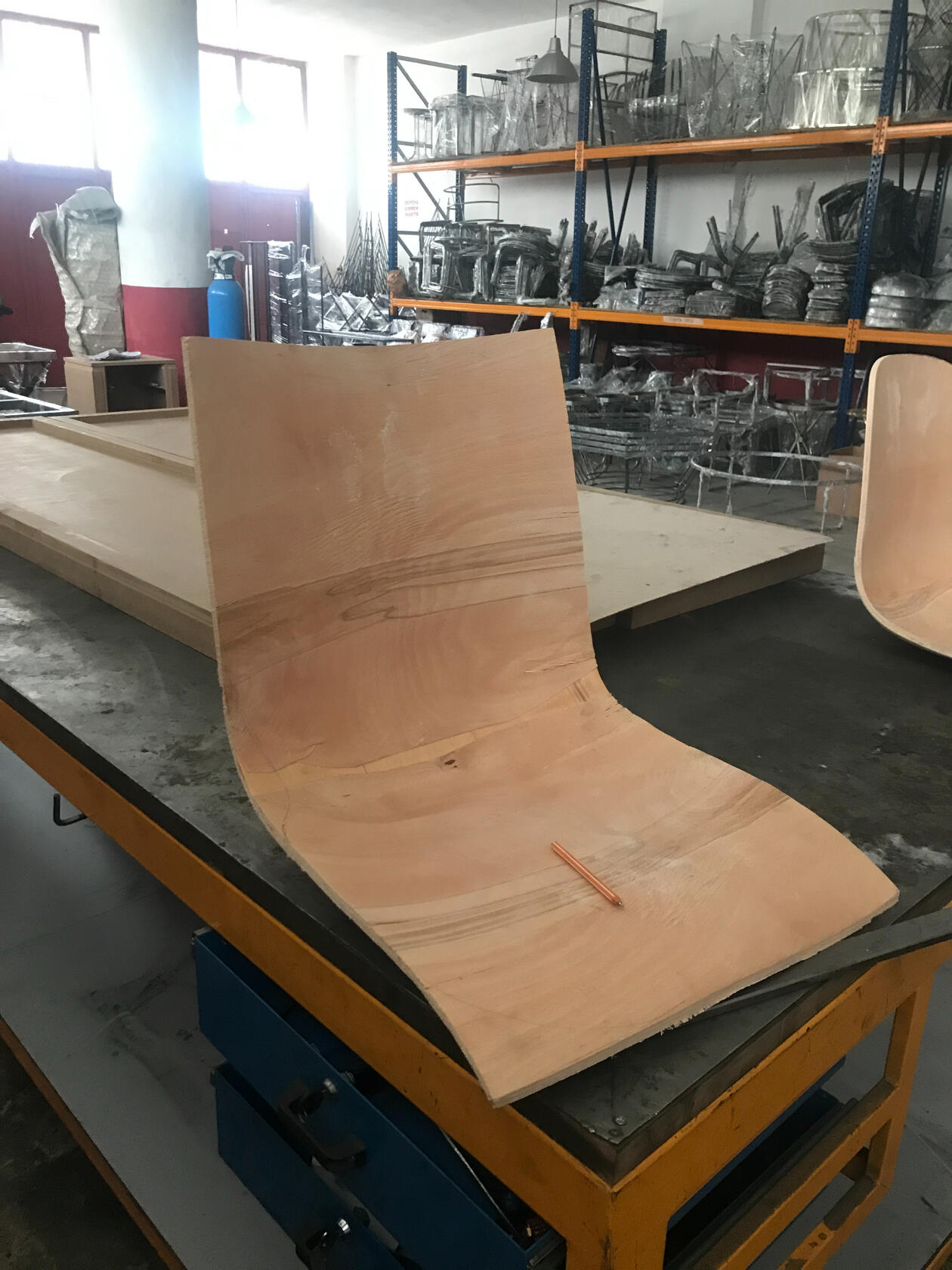
NovaDIMENSIONS
45 x 48 x 78 cmMATERIAL
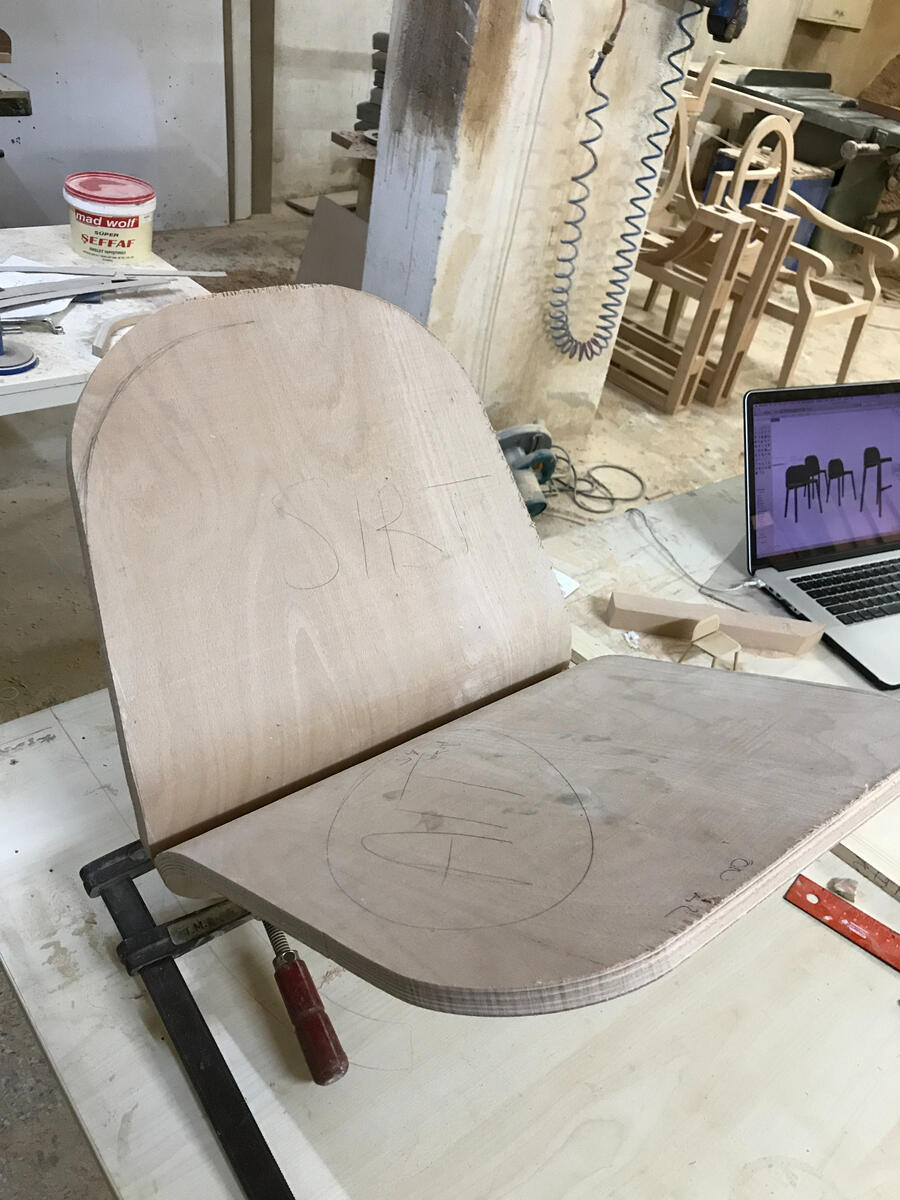
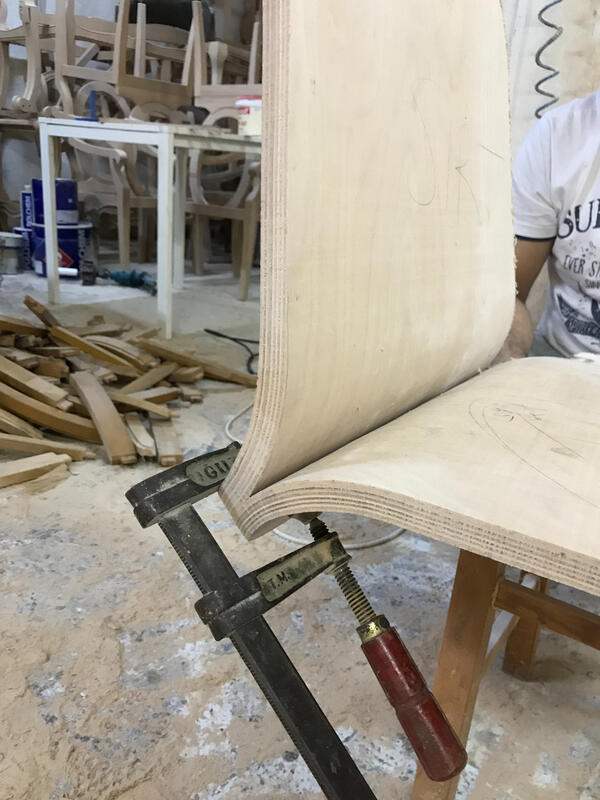
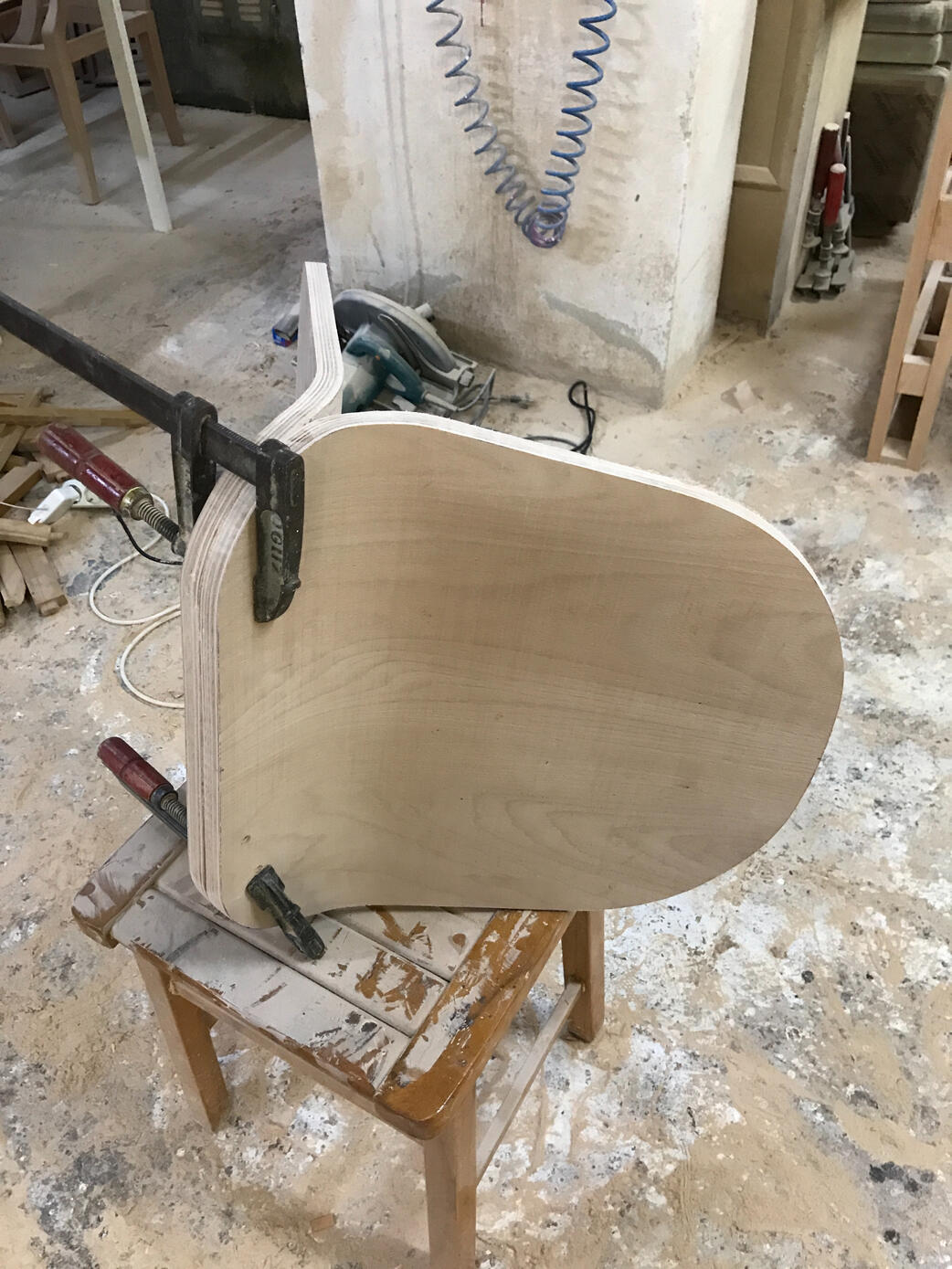
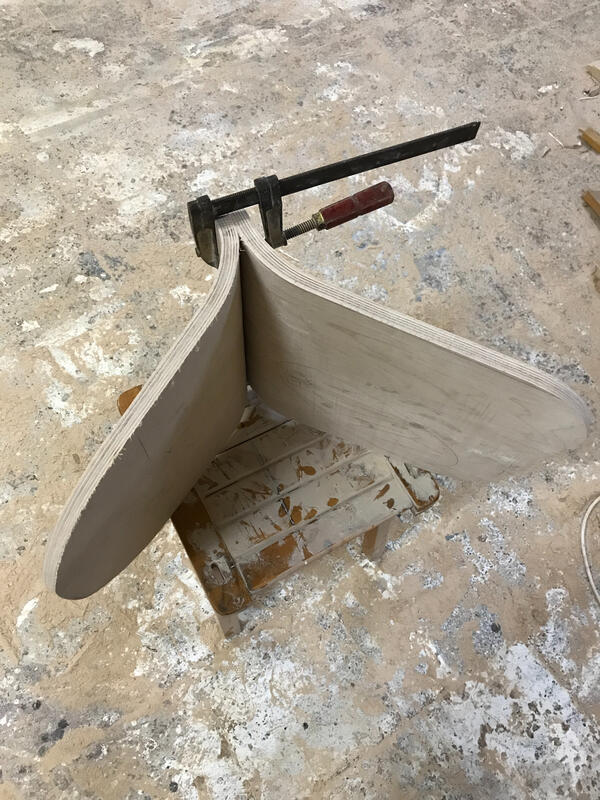
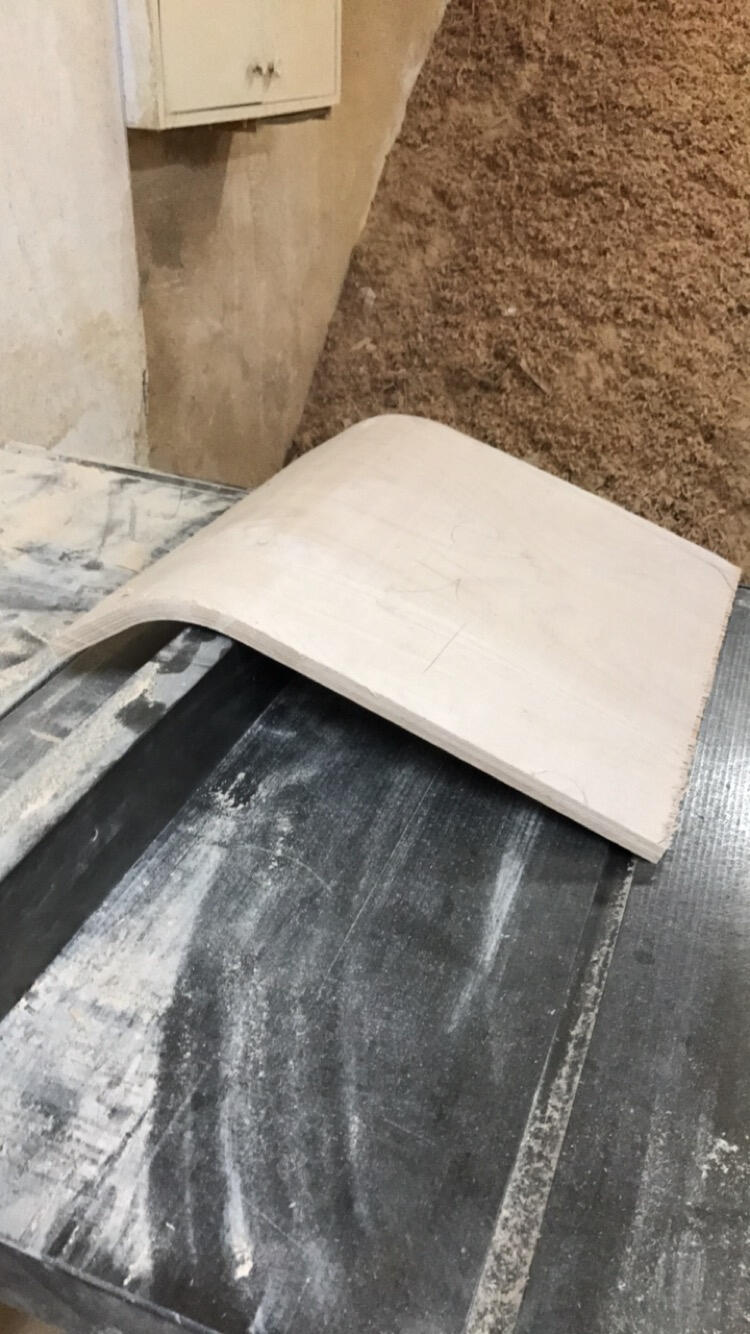
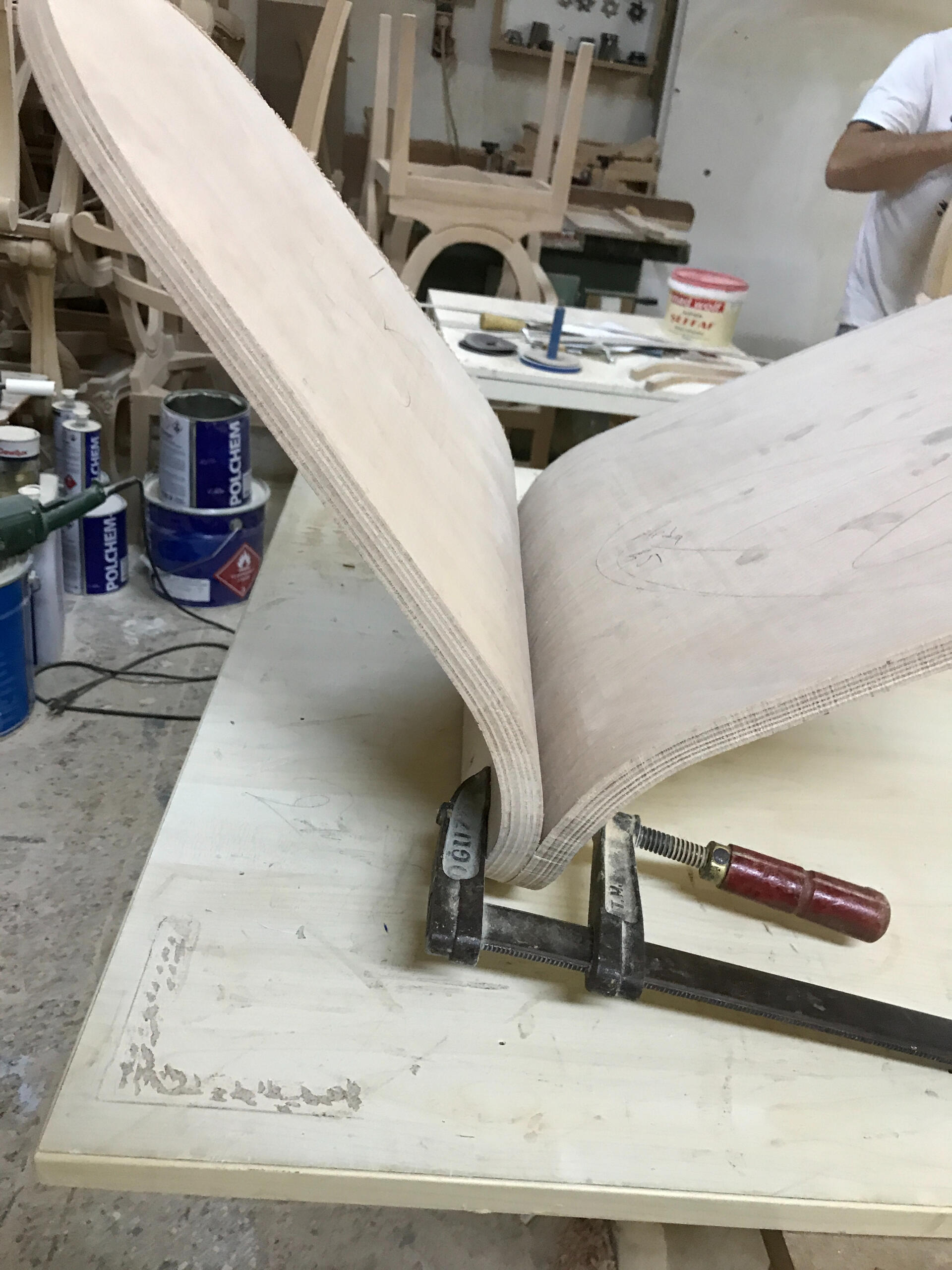
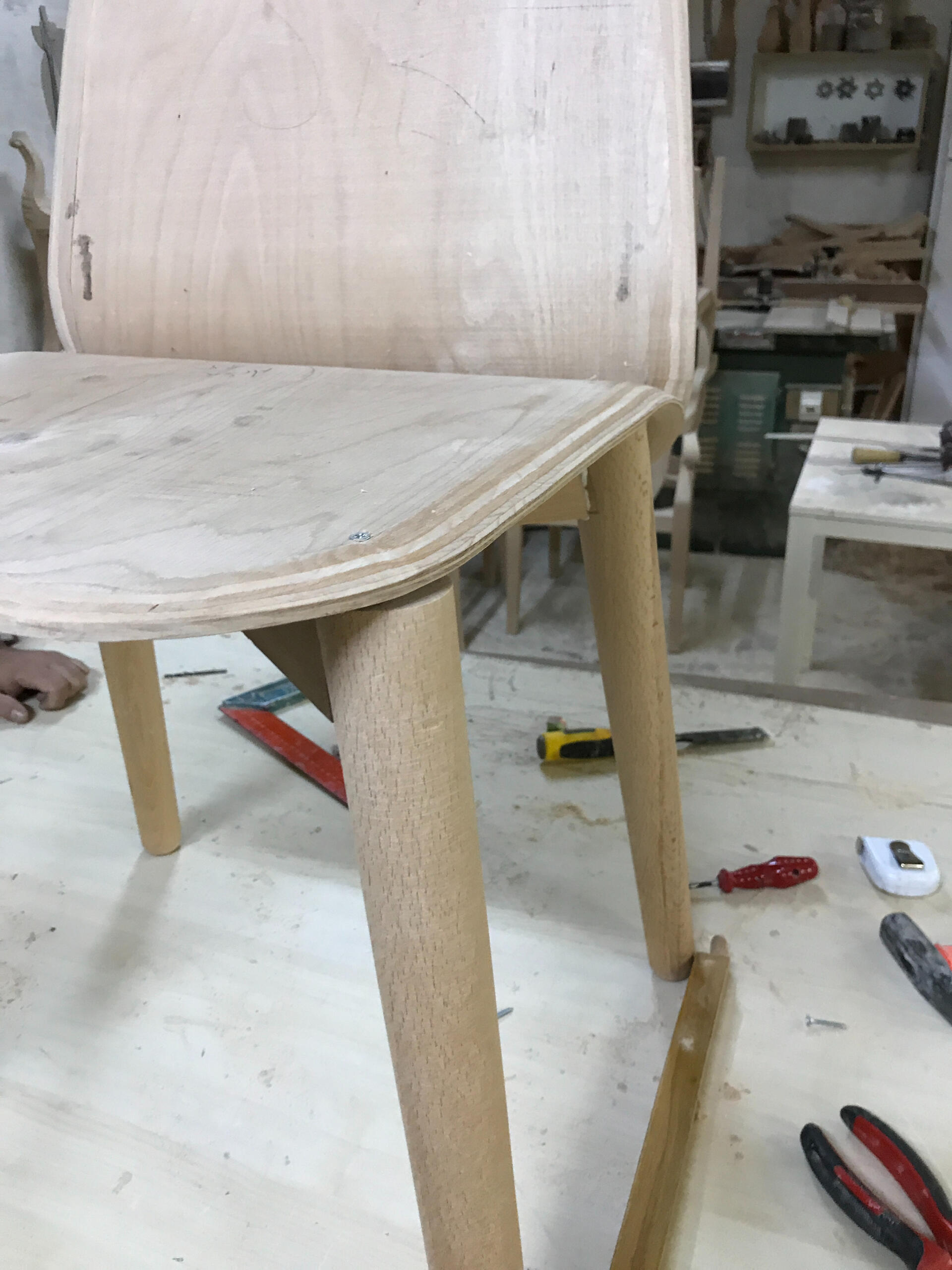
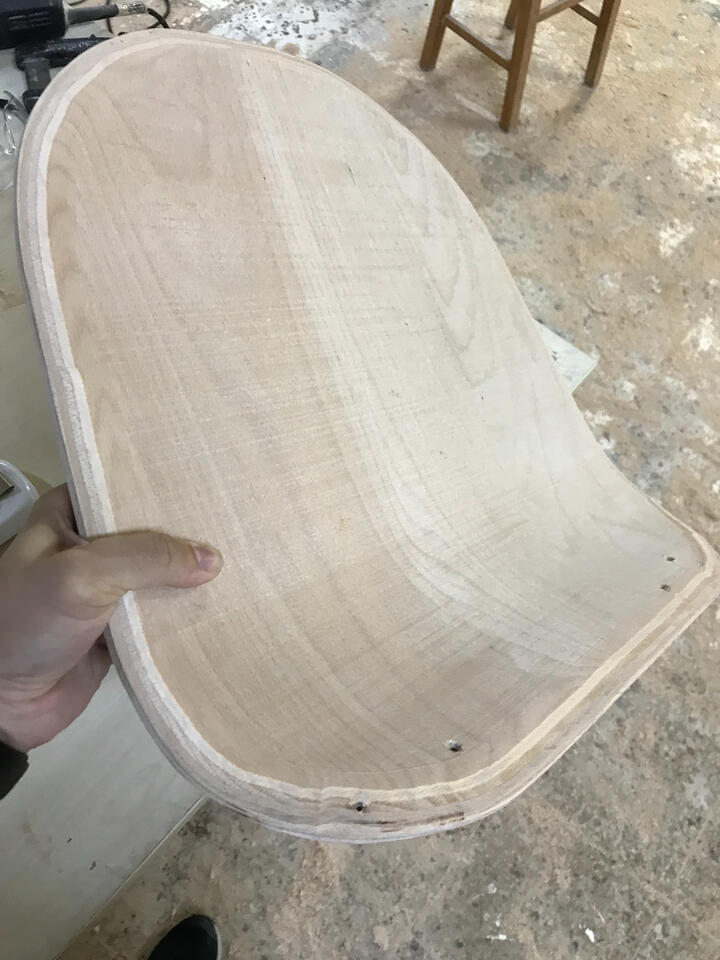
Birch PlywoodFormed through a single continuous bend, transforming flat planes into a structural volume.The backrest holds a subtle spring, merging into the frame through controlled tension.The form is defined by the limits of the material, without added ornament.